
The Price of Wellness: Inside Erewhon’s $20 Smoothie Craze
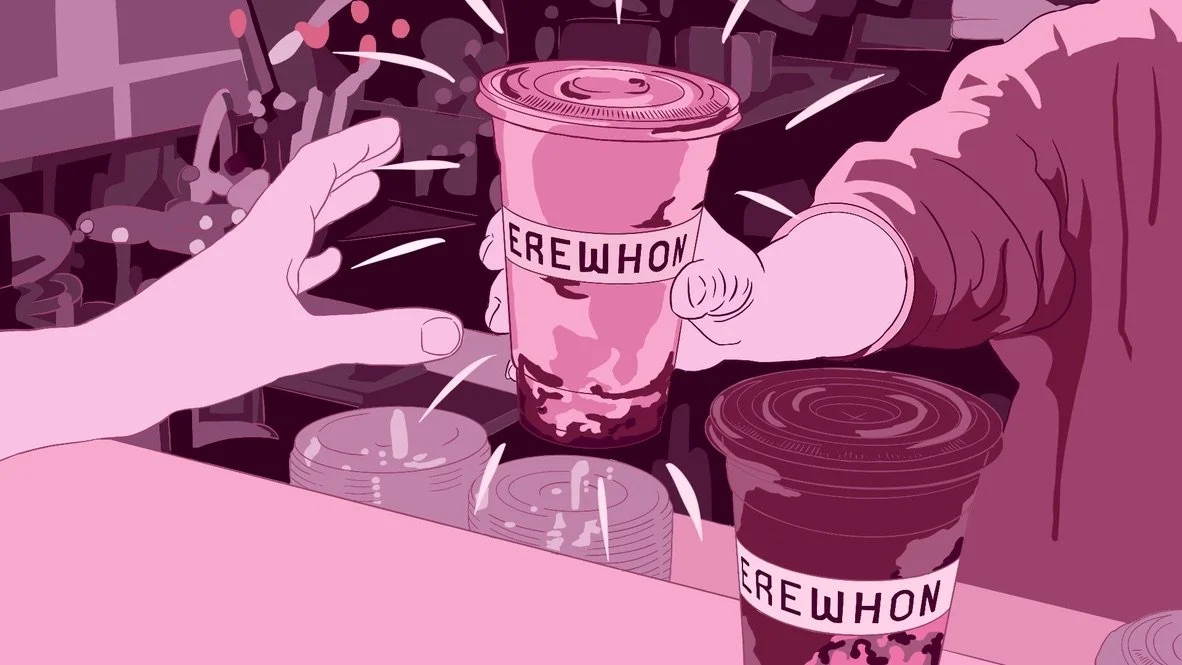
Health and wellness is supposed to be priceless, but at Erewhon, it costs exactly USD $20 plus tax. A smoothie, dubbed the “Hailey Bieber Strawberry Glaze Skin Smoothie,” has become a cultural phenomenon, propelling the TikTok virality of the LA-based luxury grocery store chain, Erewhon. This trending drink, costing approximately CAD $28, is more than just a blend of organic strawberries and grass-fed vanilla collagen—it is a marker of beauty, health, wellness, and exclusivity. Although it boasts miraculous health benefits, the appeal of the smoothie comes less from its nutritional value and more from the symbolic value. It is a status purchase, one meant to provide fifteen seconds of fame on social media. However, Erewhon smoothies are only one aspect of the larger trend of commodified wellness. Health trends are being commodified and rebranded as luxury, causing wellness to become increasingly performative, expensive, and inaccessible. Instead of health being a personal pursuit, it has become a status symbol—one that many cannot afford.
Erewhon’s Success Story
As a luxury grocery chain with all ten locations based in Los Angeles County, it’s no surprise that Erewhon has become a hotspot for celebrities and aspiring influencers. Often frequented by A-list celebrities like Hailey Bieber and the Kardashians, Erewhon has built a reputation of high-value and high-end products, profiting from the publicity that the appearance of celebrities has provided.
Although its current fame and hype is centered around California, Erewhon’s humble origins begin in Boston in 1966, founded by Michio and Aveline Kushi. Revolutionary at its time, it was one of the first natural food markets in the country. After a few changes in ownership and a geographic relocation to Los Angeles, Erewhon became a worldwide phenomenon, with the goal of “by filling our bodies with the best the earth has to offer, we can become our best selves.”
In recent years, Erewhon has gained traction through the social media virality of their smoothie lineup, including specialty drinks developed in conjunction with celebrities—Hailey Bieber, Bella Hadid, and Sabrina Carpenter to name a few. Their smoothies are marketed to offer remedies for a wide range of wellness concerns by using rare, natural ingredients that are difficult to attain elsewhere. One of their bestsellers, the Malibu Mango Smoothie, costs a hefty USD $19, claiming to boost cognitive function through its inclusion of lion’s mane mushroom.
However, outside of their impressive smoothie lineup, they offer a large range of organic groceries, with the same marketing strategy: high value products for a high price. From a jar of chicken noodle soup costing USD $25 to a single organic strawberry for USD $19, Erewhon has truly branded itself as a luxury experience, with their target market being popular culture enthusiasts—especially those with enough disposable income to splurge in the LA area. Social media platforms have also become an incubator for Erewhon’s popularity, as TikToks featuring influencers spending absurd amounts of money to try the Hailey Bieber Smoothie garnered thousands of views. With all this hype, it truly raises the question of whether the Hailey Bieber Smoothie actually provides the wellness benefits, or whether the entire product is a money-making hoax.
The Erewhon Smoothie as a Status Symbol
What exactly is the Hailey Bieber Skin Glaze Smoothie that caught the attention of millions around the world?
A twenty-ounce expensive blend of organic ingredients, including almond milk, strawberries, bananas, avocado, dates, maple syrup, grass-fed vanilla collagen peptides, sea moss gel, coconut cream, vanilla stevia, and strawberry glaze. Marketed as an all-around nutritious sweet treat, targeted ingredients like collagen and sea moss are popular supplements that have shown to benefit skin and gut health.
Launched in 2022, it wasn’t the health benefits that propelled its TikTok buzz, but the absurd price tag. It quickly became an international fad—suddenly, everyone needed to try this drink for themselves. Videos featuring the drink helped consumers achieve their fifteen seconds of fame and hundreds of thousands of views, making it a no-brainer for LA influencers wanting to broaden their platform and reach. Influencer marketing and celebrity endorsements fueled the continuous demand for Erewhon, whether it was viral taste-test videos, or influencers attempting to recreate the pricey drink from home.
Surprisingly, this smoothie was not an intentional product drop—Bieber had only intended to order a regular smoothie, but by posting it on her story, she unleashed a swarm of fans desperate to try her exact order. Through convincing the Erewhon team that a Hailey Bieber smoothie would be popular, Bieber created Erewhon’s bestselling product, averaging 40,000 sales a month according to CEO Tony Antoci.
After comparing the health benefits versus the social benefits, it’s clear that the innovation behind the smoothie lies in its ability to boost an individual’s social status. The Hailey Bieber Smoothie is a prime example of a status symbol, signalling wealth, privilege, and aesthetic—the exclusivity of the drink has made it a hot commodity, one that most cannot afford.
Erewhon smoothies are not the only example of “status” wellness foods—in recent years, trendy foods have emerged left and right, each one claiming to provide new health benefits. Matcha, a Japanese green tea, has strong antioxidant properties, but the aspect that gains traction is the opportunity to post an aesthetic Instagram post with the bright green drink—the health benefits almost seem as an add-on, overshadowed by the dream of social media attention.
Other trending products on social media like Poppi (a prebiotic soda brand), gut-friendly foods such as sourdough, and milk substitutes all share the same story; they are often consumed performatively, as consumers are focusing less on the physical value it adds to their lives, and more about the social opportunities that come along with engaging with these products.
A Look into Commodified Wellness
In 2024, the global consumer wellness market had reached USD $1.8 trillion according to McKinsey & Company, with a growth rate of five to ten per cent each year in the US. With numbers like these, it’s no surprise that wellness is being commodified—after all, companies are solely looking to make a profit at the end of the day. However, wellness commodification has reached a point where it has simply become inaccessible for the general public; most consumers cannot afford to purchase such expensive health-focused products, yet they feel pressured to. Wellness is being equated to expensive, unaffordable items, making a healthy lifestyle seem unattainable for many.
In this new world of trending self-care, wellness brands, including Erewhon, are thriving by packaging basic needs like hydration, nutrition, and nourishment as premium experiences. Whether it’s Erewhon charging twenty dollars for a smoothie, paid meditation apps, or expensive serums marketed as necessities, what was once focused on personal health benefits has turned into a lifestyle available only to the wealthy. This trend of commodification has redefined the meaning of living healthily, resulting in an accessibility gap between the privileged and the underprivileged. As elite wellness culture glorifies expensive smoothies and gym memberships, many are struggling to access everyday groceries and basic well-being—in America, one in seven households experience food insecurity. The irony is that the people who would benefit the most from accessible wellness resources and the associated health benefits and the ones priced out of the industry entirely.
This phenomenon directly relates to Thorstein Veblen’s Theory of Conspicuous Consumption, which argues that individuals engage in conspicuous consumption not to satisfy their needs—in this case, their health and wellness needs—but to signify social prestige and recognition. In the context of wellness, this theory explains the reasoning behind the virality of Hailey Bieber’s smoothie, and why individuals are investing in overpriced health products. It doesn’t just stop there though—Veblen’s theory seems to be proven time and time again, as wellness status symbols continue to pop up on users’ For You Pages and integrate themselves into the social media space.
The Future of Wellness
So while some people invest in stocks, and others in real estate, Los Angeles residents are investing in Erewhon smoothies. The rise in Erewhon and the Strawberry Glaze Skin Smoothie reveals how the wellness industry has shifted from a space of inclusivity to a highly commodified marker of status. Nutrition should be a universal, accessible good, but it has transformed into a luxury product wrapped up with celebrity endorsements and viral moments on social media.
The de-commodifying of wellness will be a long process, but it is crucial that a societal shift from performance and privilege to community and accessibility occurs in the near future, to allow everyone to pursue their wellness goals in an authentic manner. Consumer awareness is growing, and the future of wellness may be moving towards one that prioritizes authenticity and accessibility. Consumers are already starting to question performative self-care and the associated “clean girl aesthetics,” making the outlook of the industry more hopeful. Moving forward, the goal will be to move wellness from a place of aesthetic, privilege, and profit to inclusive well-being for all.
The Hailey Bieber Smoothie may fade as a trend, but the lingering question that remains stays relevant: what are we really investing in—the smoothie and its health benefits or the status it represents?