Hi! We’re the Queen’s Business Review.
We deliver perspectives from those aspiring to initiate global impact.
As Canada’s leading undergraduate business publication, Queen’s Business Review aims to inspire, educate and empower the business leaders of tomorrow.
IN CASE YOU MISSED IT
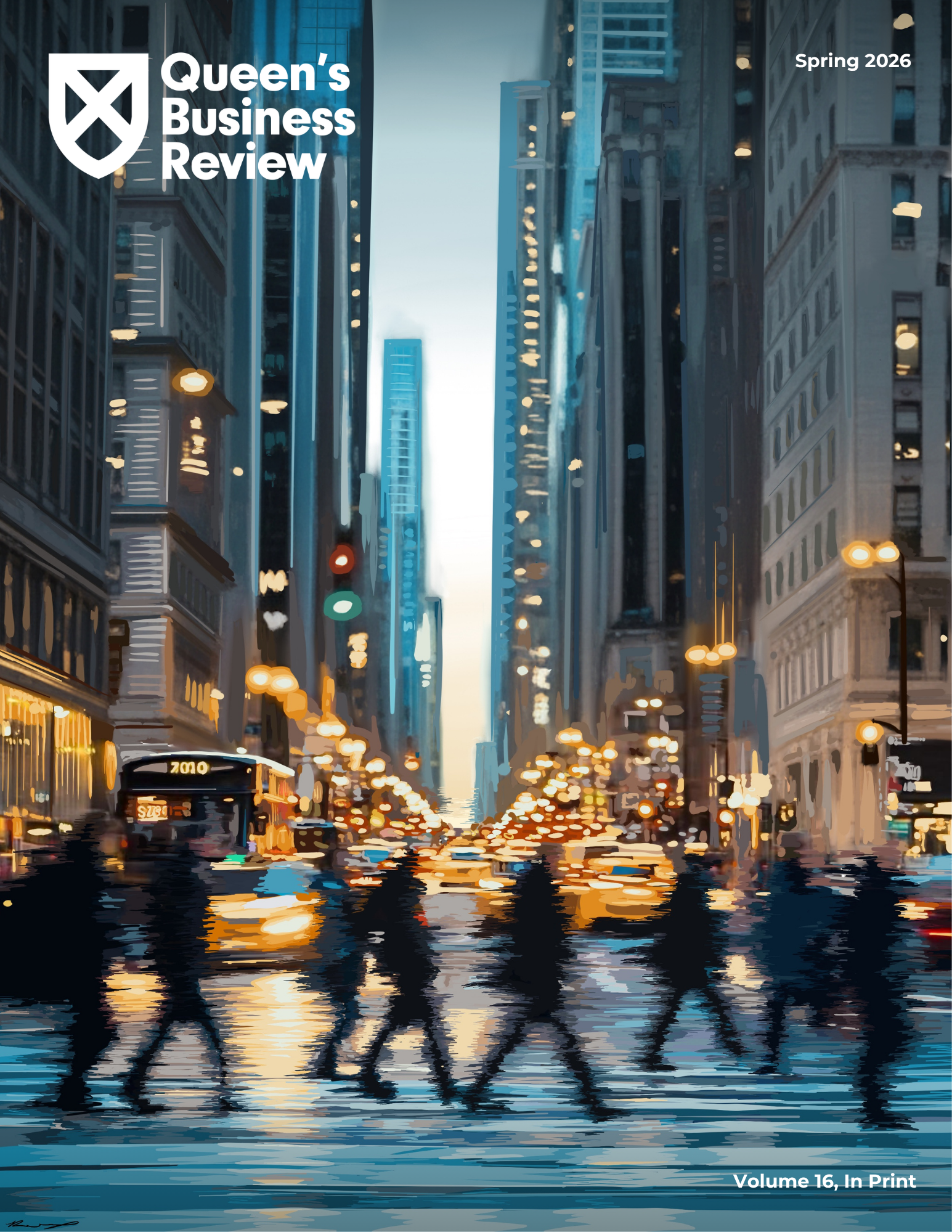
Spring 2026 PRINT
Get all the tips and tricks for your next interview, click here
From tracking daily steps to monitoring sleep and recovery, wearable technology has transformed health into something constantly measured and optimized. In this article, Health & Innovation writer Lauren Harhay explores how devices like the Apple Watch, WHOOP, and Oura Ring have become embedded in modern wellness culture. Drawing on recent research, the article explores how wearable technology can encourage healthier habits while also creating a growing reliance on health metrics and constant self-tracking. Harhay considers whether these devices truly improve well-being or if they risk replacing our bodies’ intuition with data.
In recent years, ADHD diagnoses have risen dramatically. This shift has simultaneously transformed the public perception of the disorder, sparking conversations surrounding who gets access to the diagnosis, and subsequently treatment and accommodations. In this article, Health and Innovation Editor Elizabeth Kim investigates how evolving diagnostic practices have expanded recognition of historically overlooked groups, while also examining the rise of new misconceptions and stigma. The article explores the benefits and unintended consequences of increased ADHD visibility, suggesting that greater recognition must be paired with accuracy, and careful handling treatments to cultivate a deeper public understanding of what living with ADHD can mean.
From tracking daily steps to monitoring sleep and recovery, wearable technology has transformed health into something constantly measured and optimized. In this article, Health & Innovation writer Lauren Harhay explores how devices like the Apple Watch, WHOOP, and Oura Ring have become embedded in modern wellness culture. Drawing on recent research, the article explores how wearable technology can encourage healthier habits while also creating a growing reliance on health metrics and constant self-tracking. Harhay considers whether these devices truly improve well-being or if they risk replacing our bodies’ intuition with data.
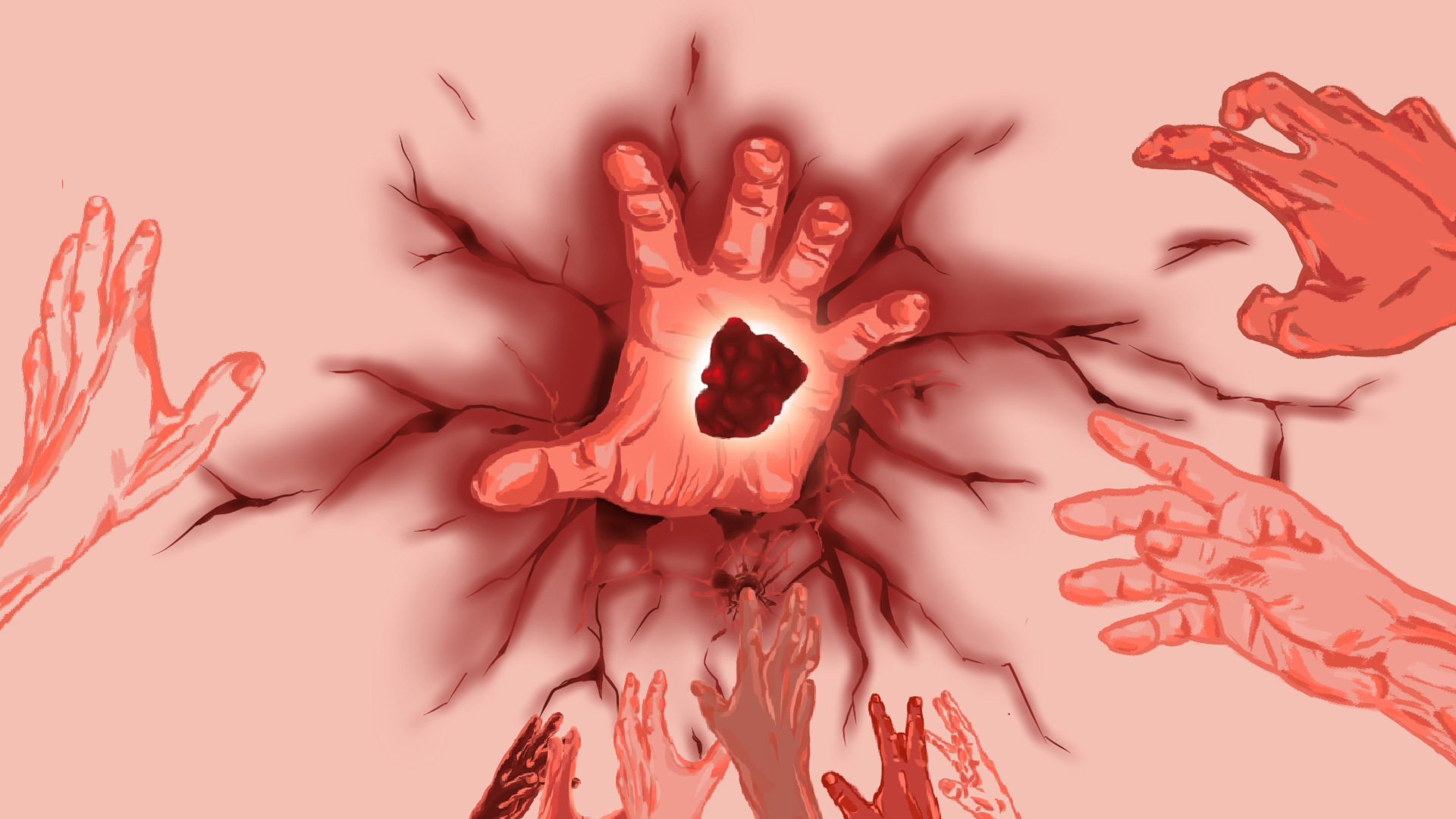
The “missing half” represents the historical underrepresentation of women in medical research, resulting in gaps in evidence-based care for half of the world’s population. In this article, Health and Innovation Editor Isabel Brick examines the causes and consequences of the gender health research gap, including limited clinical trial representation and underinvestment. The article explores how closing this gap can improve women’s health outcomes while creating significant economic opportunities through increased productivity, healthcare savings, and innovation.
In the form of matcha lattes, kimchi salads, and perfectly wrapped buns, East Asian cuisines have burst to the forefront of foodie scenes across North America. As viral popularity fuels rapid innovation and spin-offs vying for market share, Senior Editor Annabella Luo explores the implications of food discovery gained short-form content – and how East Asian communities can retain ownership of the edible pieces of their histories.
After a choppy 2025, Canada's December job gains went almost entirely to older workers while young people lost ground, with youth unemployment more than double the national average. This piece unpacks why the entry-level door has jammed, from an oversupplied labour pool to employer caution and early signs of AI displacement, and warns the scarring effect on a generation will outlast any single business cycle.
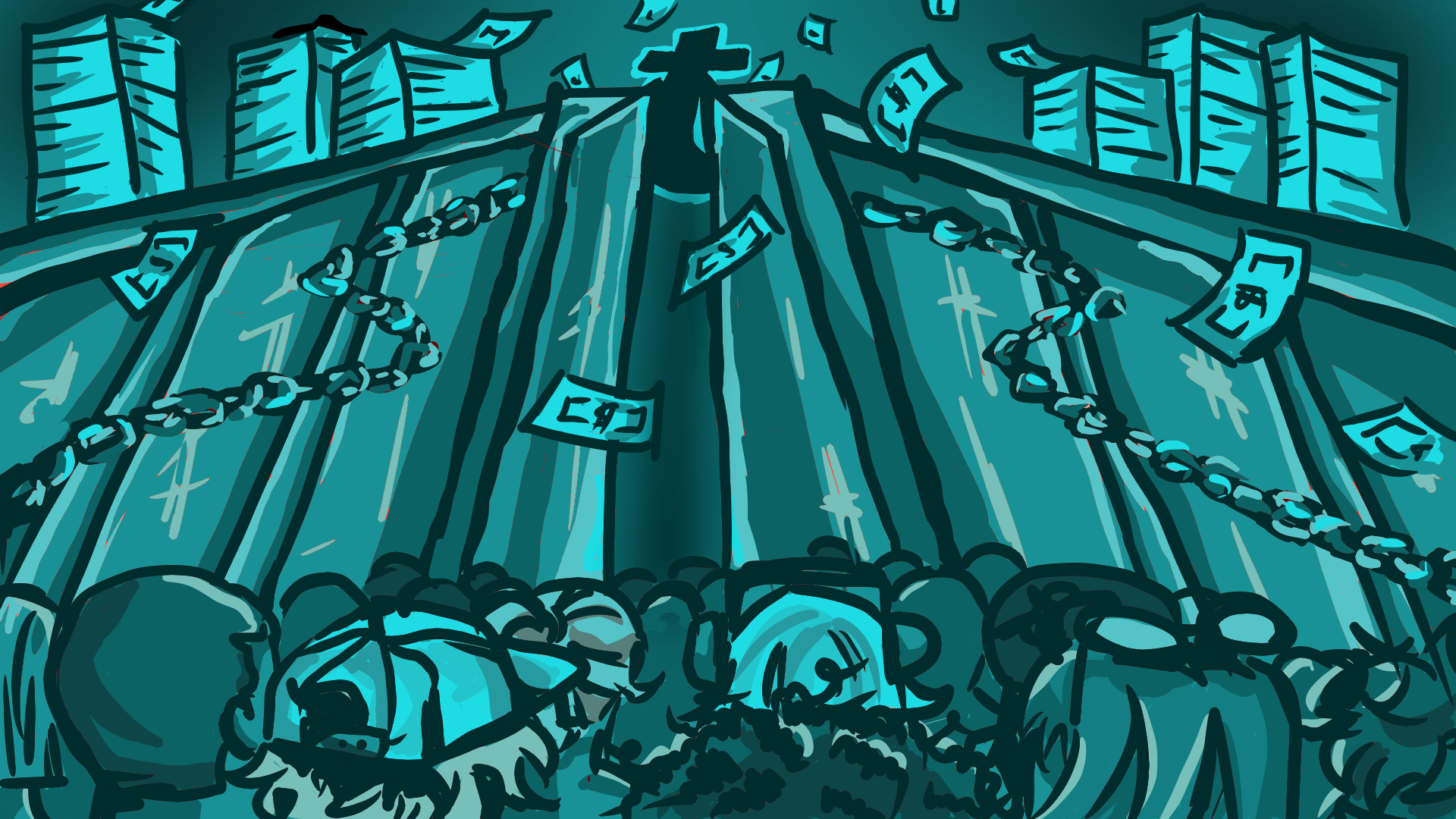
In September 2025, the Trump administration floated cutting mandatory earnings reports from quarterly to twice a year, reviving the old argument that frequent reporting makes executives think short-term. This piece pushes back, arguing that short-termism is a governance problem rooted in how executives are paid, and that reporting less would mainly widen the information gap between institutional and retail investors.
Cars promise freedom, but North America's dependence on them comes at a steep price. This piece traces how postwar policy made driving the default, compares it to Europe's more balanced approach, and lays out the costs, from strained household budgets and expensive sprawl to billions lost to congestion, before pointing toward more walkable, connected cities.
Can simply requiring companies to share information make them behave better? Drawing on summer research into a Nasdaq board-diversity rule, this piece explores how corporate disclosure works as a low-cost check on managers who might otherwise put their own interests ahead of shareholders.
The Islamic Republic of Iran has worked to silence and control women, yet women have become the most powerful force challenging its authority. This piece traces that history from the Shah's gender reforms through the 1979 revolution to the Women, Life, Freedom movement sparked by Mahsa Amini's death in 2022, and asks why authoritarian regimes fear organized women more than almost anything else.
Fertilizer may be the most powerful commodity most people never think about. When Europe's ammonia plants went dark in 2022, food prices spiked from Paris to Cairo, exposing how fragile the world's supply of nitrogen, potash, and phosphate really is. This piece traces the recent fertilizer shock and the new resource diplomacy playing out from Russia to Morocco, arguing that fertilizer is becoming the geopolitical force oil once was.
Join our Team!
Why QBR?
Contribute to Queen’s sole business publication.
Premium access to top publications.
Gain first-hand experience in publishing your work!
Build a network of like-minded individuals.
Where QBR can take you…
Uber
McKinsey & Co
Deloitte
Dropbox
BMO
Morgan Stanley
BCG
Goldman Sachs
MLSE
P&G
Uber McKinsey & Co Deloitte Dropbox BMO Morgan Stanley BCG Goldman Sachs MLSE P&G
In recent years, ADHD diagnoses have risen dramatically. This shift has simultaneously transformed the public perception of the disorder, sparking conversations surrounding who gets access to the diagnosis, and subsequently treatment and accommodations. In this article, Health and Innovation Editor Elizabeth Kim investigates how evolving diagnostic practices have expanded recognition of historically overlooked groups, while also examining the rise of new misconceptions and stigma. The article explores the benefits and unintended consequences of increased ADHD visibility, suggesting that greater recognition must be paired with accuracy, and careful handling treatments to cultivate a deeper public understanding of what living with ADHD can mean.