
Feel the Buzz: Gen Z, Alcohol Consumption, and the Rise of the ‘Mocktail’
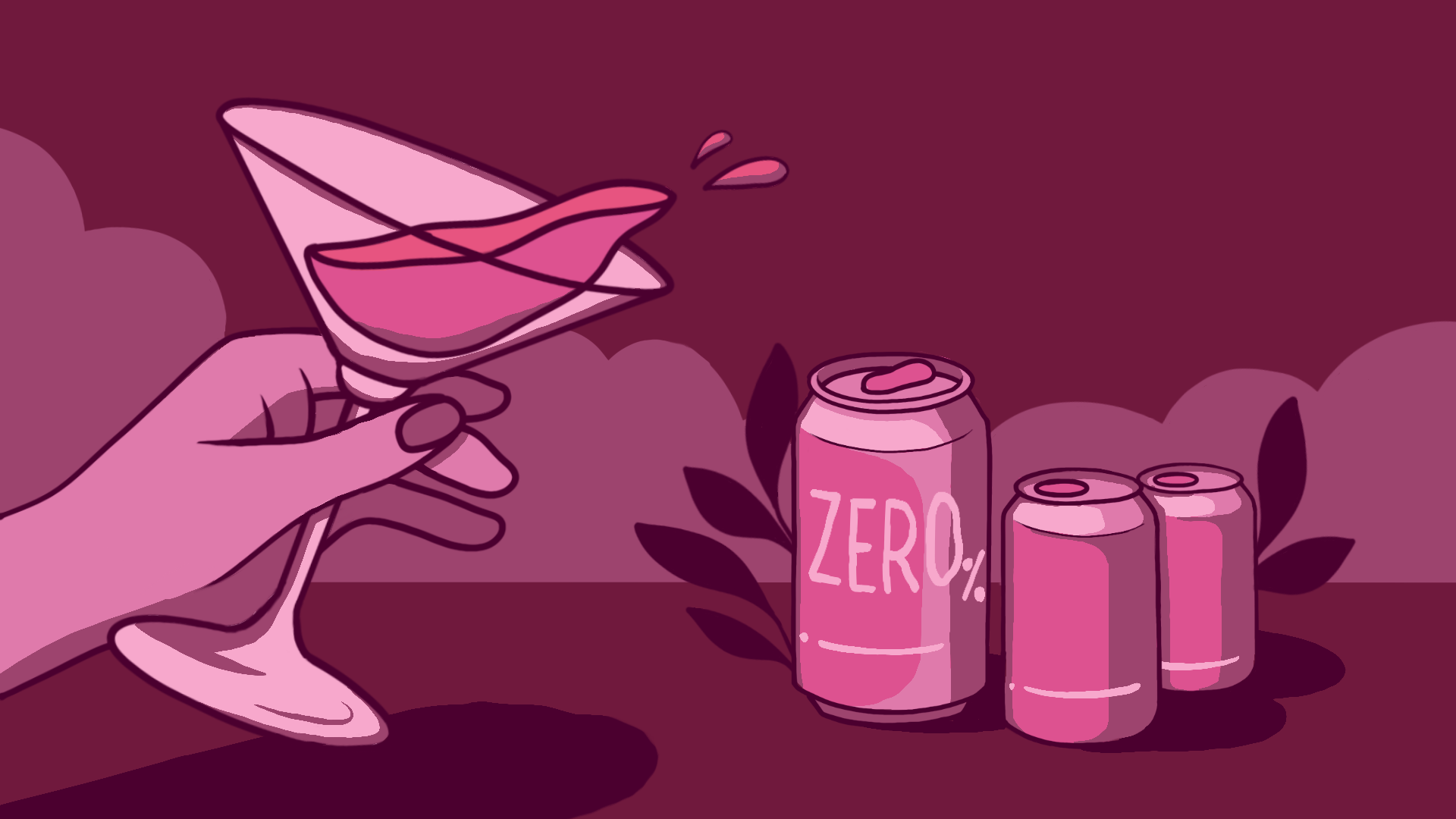
For centuries, drinking has been a rite of passage for young adults. In many university towns, bars are crucial third spaces where students can socialize outside their dorms or classrooms. Even in urban environments, “happy hour” is ingrained in the social fabric; where coworkers go to unwind or build their professional network. From 2001 to 2013, casual drinkers in the 18 to 34 age category far outnumbered that of older adults. However, there has been a recent dip in alcohol sales among Gen Z consumers, and the number of Gen Z alcohol abstainers has dramatically risen.
Many journalists, behavioural scientists, and other experts have tried to explain this phenomenon. Some attribute it to younger demographics having more concern for their health; others, the cost-of-living crisis, or a preference for marijuana instead. Consequently, with the alcohol industry struggling, brands have expanded to ‘mocktails,’ a colloquial term for beverages that taste like cocktails, but without the alcohol content. In 2024, retail sales of nonalcoholic beers, wines and spirits totalled US$818 million, and sales have only grown since. By examining the factors that lead Gen Z astray from the alcohol industry, it can demonstrate where the adult beverage industry is headed, as the 18-30 age group is on track to have the highest spending power in history.
Health Means Wealth: Brands Cashing in on “Wellness Culture”
On social media, “wellness” is the new buzzword, which has attached itself to products in the fitness, food, and supplement industries. While the term can be interpreted as repackaged “self-care,” there are many negative connotations associated with the movement. Particularly, how “wellness influencers” use the term to spread categorically false information about healthy living. Nevertheless, products associated with health and wellness are growing in popularity. Defined by consumers as products that help better: health, fitness, appearance, nutrition, sleep, and mindfulness, the industry is estimated to have an annual growth of 5 to 10 per cent.
Matcha, a dominant product in the wellness space, has recently accumulated a billion dollar market value. The traditional Japanese tea is known for its stress-reducing properties, which has asserted its positioning as a “health food.” While matcha was popularized as a coffee alternative, the boom in spending on this beverage as compared to alcohol demonstrates where Gen Z’s spending is headed.
The “online” generation is highly concerned with wellness; among the top markers of value for young people, with 56 per cent of consumers marking fitness and health a “very high priority.” Healthy aging is another concern for the segment, even if Gen Z is decades younger than the typical consumer of anti-aging products and services. How did this come to be? Frequent exposure to information on healthy living—whether reliable or not—could be the main contributing factor.
A recent study has proven that when social media influencers promote healthy behaviours, such as frequent cancer screenings or practicing travel safety, it is associated with better decision-making among their audiences. Conversely, influencers have hijacked the movement for personal gain. Belle Gibson, a notorious case of influencing-gone-wrong, was exposed for lying about reversing her cancer diagnosis through “natural remedies.” While there is a lot of noise on health and wellness available online, one thing is for certain: Gen Z is focused on health outcomes from products they consume, and alcohol does not make the cut.
Alcohol, Drugs and the Economy
Over two thirds of young American consumers reported cutting spending, and nearly half of Canadians reported that rising prices were greatly affecting their ability to meet day-to-day expenses. Younger generations are reporting the highest level of financial strain, with nearly one in three young people saying their mental health has been negatively affected by rising costs in the past 12 months. It is no surprise that those new to the job market, or early on in their careers, would be more negatively impacted by rising costs and a labour downturn. With young people struggling to make ends meet—as 55 per cent of Gen Z reported they do not have enough in emergency savings—spending on non-essential goods, like alcohol, will have to dip.
Research is demonstrating that young demographics are finding their “buzz” in another form—through cannabis products. While the industry is still new, with its US$59.6 billion market value—a fraction of the US$1.0tn alcohol industry—it is rapidly growing; especially as laws loosen regarding its recreational use. 69 per cent of 18-24s report they prefer cannabis to alcohol, with reasons ranging from fun flavours to a lack of hangover symptoms. Furthermore, when the cheapest joints are compared with the cheapest beers, cannabis is almost always less expensive, which could be driving consumers to make the switch.
The Rise of the Mocktail Industry
‘Mocktails’ have expanded from an additional option on a bar menu to its own distinctive industry—separate from alcohol. Upscale brands like Aplos, a zero-proof cocktail company that advertises itself as a low-calorie alcohol substitute, is selling drinks in liquor stores. In cities like Charleston, where the “sober-curious” lifestyle has gained traction, Aplos has even opened its own retail locations that focus entirely on zero-proof drinks. Even in Canada, the LCBO has expanded its non-alcoholic drink options, offering non-alcoholic beers, wines and ‘mocktails’ that mimic the taste of popular mixed drinks.
Moreover, brands are using social media to attract young consumers, as they are becoming more strained from the alcohol industry. BERO, a non-alcoholic beer brand created by actor Tom Holland, has used social media extensively to market the launch of its products. Innovative beverage brand Little Saints, which uses lion’s mane in their drinks for the cognitive benefits, also has an active social media presence, after rising to fame on Shark Tank. As consumers embrace healthier choices and the lower prices of nonalcoholic beverages (although bars and chain restaurants are gouging prices due to increased demand), brands are looking to stake a claim in this new market segment.
While economic and cultural factors impact Gen Z consumers’ alcohol consumption, companies are finding ways to create beverages that could create new demand. As the ‘mocktail’ industry searches for its identity, it calls into question the way that alcohol shapes the social landscape. Will the trillion dollar industry continue to lose its footing among young people, as it no longer is the default substance? Or will Gen Z continue on the “health kick,” and ditch any addictive substance altogether?