
Articles

Attention Inflation: Exploring the ADHD Diagnosis Increase
In recent years, ADHD diagnoses have risen dramatically. This shift has simultaneously transformed the public perception of the disorder, sparking conversations surrounding who gets access to the diagnosis, and subsequently treatment and accommodations. In this article, Health and Innovation Editor Elizabeth Kim investigates how evolving diagnostic practices have expanded recognition of historically overlooked groups, while also examining the rise of new misconceptions and stigma. The article explores the benefits and unintended consequences of increased ADHD visibility, suggesting that greater recognition must be paired with accuracy, and careful handling treatments to cultivate a deeper public understanding of what living with ADHD can mean.

From Apple Watches to Oura Rings: Inside the Wearable Health Boom
From tracking daily steps to monitoring sleep and recovery, wearable technology has transformed health into something constantly measured and optimized. In this article, Health & Innovation writer Lauren Harhay explores how devices like the Apple Watch, WHOOP, and Oura Ring have become embedded in modern wellness culture. Drawing on recent research, the article explores how wearable technology can encourage healthier habits while also creating a growing reliance on health metrics and constant self-tracking. Harhay considers whether these devices truly improve well-being or if they risk replacing our bodies’ intuition with data.

The Missing Half: Closing the Gap in Women’s Health Research
The “missing half” represents the historical underrepresentation of women in medical research, resulting in gaps in evidence-based care for half of the world’s population. In this article, Health and Innovation Editor Isabel Brick examines the causes and consequences of the gender health research gap, including limited clinical trial representation and underinvestment. The article explores how closing this gap can improve women’s health outcomes while creating significant economic opportunities through increased productivity, healthcare savings, and innovation.

Culture as Commodity: East Asian Flavours and Stardom
In the form of matcha lattes, kimchi salads, and perfectly wrapped buns, East Asian cuisines have burst to the forefront of foodie scenes across North America. As viral popularity fuels rapid innovation and spin-offs vying for market share, Senior Editor Annabella Luo explores the implications of food discovery gained short-form content – and how East Asian communities can retain ownership of the edible pieces of their histories.

Generation Plastic and the Fertility Fallout
Microplastics have made their way from the ocean into the human body, showing up in blood, placentas, and even the testes. John Bae explores the mounting evidence tying them to plummeting fertility and sperm counts, how they disrupt hormones and reproductive cells, and what you can do to limit your exposure.

Feel the Buzz: Gen Z, Alcohol Consumption, and the Rise of the ‘Mocktail’
Many journalists, behavioural scientists and other experts have tried to explain the dip in alcohol sales among Gen Z consumers. Some attribute it to younger demographics having more concern for their health, the cost-of-living crisis, or preferences for marijuana instead. In this article, Editor Amy Simcoe aims to get to the root of the issue, exploring factors like the job market, Gen Z’s drug use and messaging surrounding health and wellness. This article will also explore the companies capitalizing on the ‘mocktail’ trend, and where the adult beverage industry is headed.

How Gen Z is Changing the Way Gyms Operate
Gen Z is shifting the gym industry by treating fitness centres as highly active social hubs and wellness spaces, directly threatening the traditional business model that relies on members paying but staying home. While Planet Fitness faces rising variable costs and strained franchise margins due to this surge, PureGym is thriving by successfully monetizing actual presence through diversified ancillary revenues, personal training, and premium membership tiers
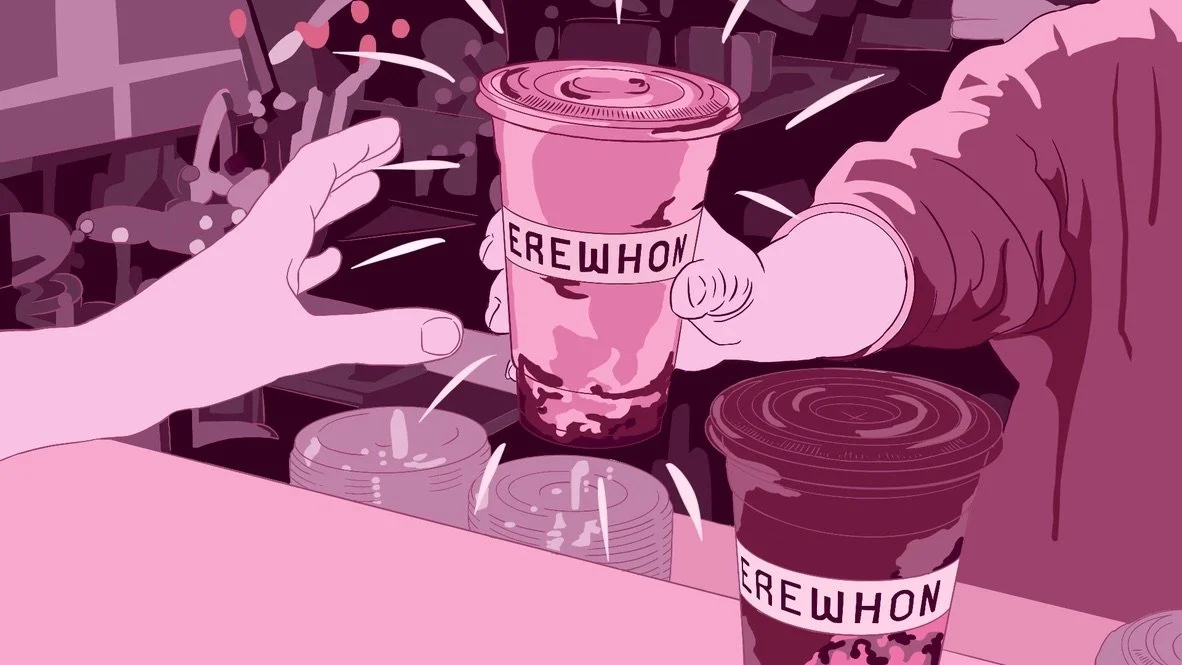
The Price of Wellness: Inside Erewhon’s $20 Smoothie Craze
The rise of the viral $20 Hailey Bieber Strawberry Glaze Skin Smoothie at luxury grocery chain Erewhon serves as a case study for how the health and wellness industry has been commodified into a performative status symbol. While these trends project an exclusive aesthetic of wealth and privilege on social media, they simultaneously create massive accessibility gaps for everyday consumers facing food insecurity. Ultimately, this shift highlights a broader societal issue where nutrition and self-care are packaged as premium luxury experiences rather than universal goods

The Dinosaurs Are Dying And They Don’t Know It Yet
In Queen's Business Review (QBR) Health and Innovation portfolio, Editor-in-Chief Jacob Kranjac revisits Robert Mitchnick’s decade-old article, “The Dinosaurs Are Back,” exploring how the conversation around overpopulation and humanity’s greatest threats has evolved into a more complex and pressing global challenge.

The Business of Being Impressive: How LinkedIn Culture Shapes Student Identity and the Mental Cost of Success
Behind the “thrilled to announce” posts lies a quieter reality: imposter syndrome, social comparison, and the pressure to keep up. In this recent editorial, Health & Innovation Editor Isabella Peng critiques LinkedIn's growing influence in academic spaces and its role in shaping students' identities. With the ever-growing pressure on students to build a personal brand on LinkedIn, this article examines how the platform has turned career development into a source of anxiety affecting student well-being. Peng draws on insights from seasoned career coaches to explore ways to propel the academic space toward a more authentic career culture.