
Differentiating Denim Digitally: Celebrity Endorsements and Chasing Virality
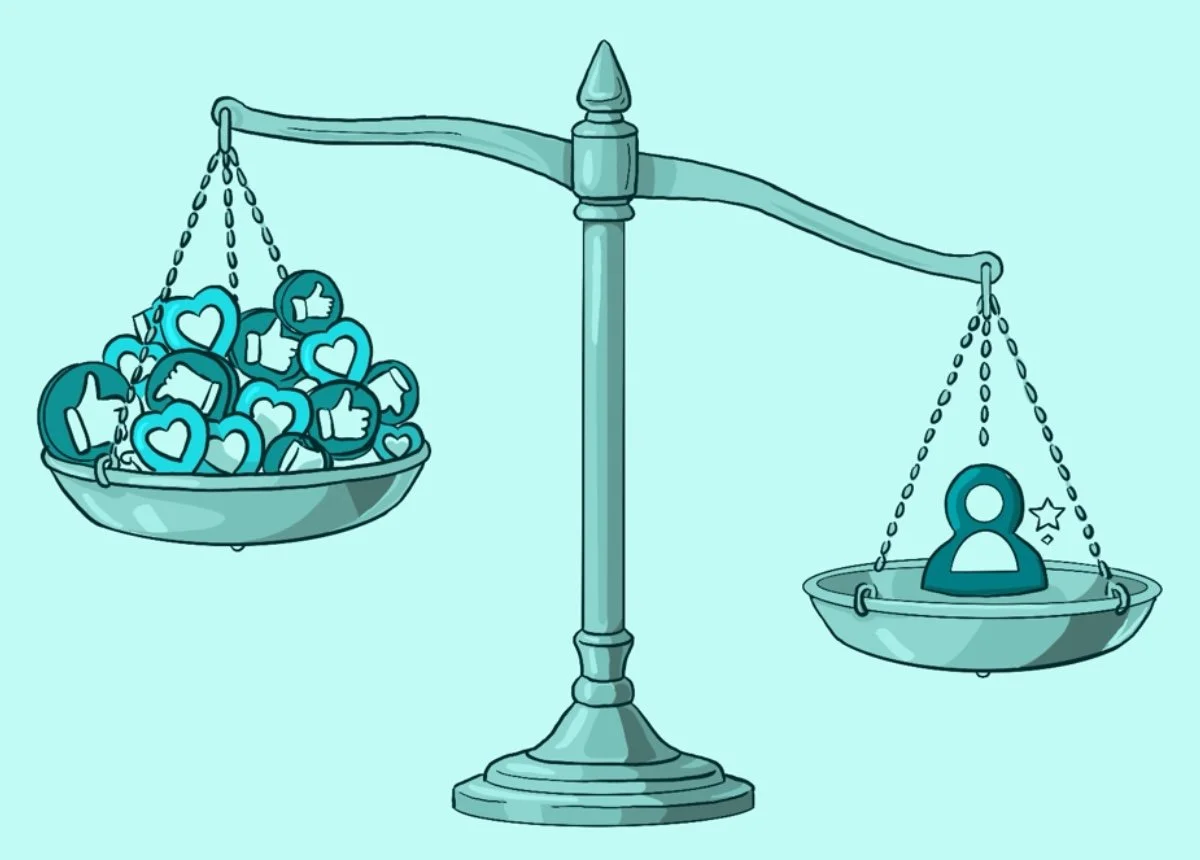
Where people have historically voted with their dollars, consumers now have the power to vote with their clicks and likes. A digital campaign to capture the attention of those coming into their spending power seems like the natural choice; but how can brands differentiate themselves when the average person’s attention span is mere seconds long?
Do something unexpected, ignite controversy, spark discussion – whether it’s positive or negative: the core idea behind shock marketing. On the flipside, lean into the leading values of Gen Z, the leading demographic in digital marketing, to build reputation and garner loyalty. In recent denim campaigns, American Eagle and GAP highlight how brands can leverage these two opposing approaches to achieve marketing success and set a brand apart in a sea of blue.
The Next Generation of Spending
Surface-level campaigning isn’t enough when platforms like YouTube and TikTok have created a culture where ads are optional. Thus, it is news to nobody that brands have been employing influencer endorsements, celebrity partnerships, and interaction in comment threads – anything in pursuit of the volatile spotlight of virality. In doing so, brands often toe the line between discussion and division. As brands adapt human traits such as humour, beliefs, and even personalities, they invite the same level of public commentary and scrutiny that any individuals on the internet face.
The popularity of celebrity endorsements has grown alongside social media, where individuals are handed a heightened sense of proximity to their favourite stars. For consumers, an opportunity to create “closeness” by owning the same products emerges; and for brands, a typically lower-cost campaign that relies on a figure’s face and brand to drive visibility over traditional forms of distribution. But attaching a brand to an individual representative comes with the challenge of aligning beliefs and advocacies. Thanks to the infamous digital footprint, a brand cannot choose a celebrity based solely off of the size of their following, nor can a celebrity choose a brand solely off the paycheque.
Provocation catches the interest of millions, but it is all too easy to overshoot and turn curiosity into criticism, especially with the value of authenticity and alignment on the rise. When attention and outrage are intertwined, brands must look to the quantified amount of controversy they are willing to absorb before reputation outweighs revenue to dictate the partnerships it pursues. Potentially even more importantly, they must determine whether their audience will place higher value on the product or their message. Borne from this intersection are the two strategies of calculated controversy and safe alignment.
The Americana Dream
Denim and pick-up trucks: American staples that instantly turned heads nationwide. When American Eagle revealed popular actress Sydney Sweeney as the face of its latest denim campaign, the internet was quick to form opinions. While the dose of Sweeney’s signature sensuality was meticulously calculated, the internet’s reaction to the campaign’s messaging reveals that not every aspect of the campaign was as carefully planned. Both sparking the coveted cultural friction in one regard and missing the controlled “sweet spot” of controversy in another, this denim campaign has become the poster child for how shock marketing draws people in and where its limits lie. Despite backlash, the numbers showed success so unprecedented that “every single marketing metric [was] flashing a green light”.
Without much to say about the product itself, the narrative centered on Sweeney’s persona and the hazy-sunlit, all-American nostalgic imagery intended to seamlessly thrust American Eagle back into cultural relevancy – and it did exactly that. The campaign generated massive visibility based on its striking visuals and the fact that sex sells. Seeing an enormous gain of nearly 800,000 new customers after the ad’s release, the items featured by Sweeney were sold out in the week following its launch.
On the other hand, accusations quickly grew that the brand was glorifying a narrow ideal of beauty characterized by white, western femininity – an ideal that falls short of much of Gen Z’s values and consumer culture. Articles from online publications soon followed, producing even more awareness and engagement for American Eagle, making the campaign one that they continue to stand behind proudly. For American Eagle, taking a risk on controversy proved unimaginably successful from a business point of view.
My Milkshake Brings.. Sales?
Zero dialogue; just a nostalgic backtrack and a catchy choreography. GAP’s denim campaign featuring six-piece girl group KATSEYE launched not even a month after American Eagle’s, drawing inevitable comparisons between the two. Though following a similar path of celebrity endorsement, GAP housed a radically different tone, being bright, energetic, modern, and chasing virality through alignment over controversy. By taking advantage of KATSEYE’s intentionally diverse creation, GAP showed how relevance takes over the reins of marketing.
Within hours, content derived from the campaign – whether clips or user-generated content – was circulating social media pages en masse and racking up millions of views. The positive energy, danceability, and group approval motivated and incentivized participation. With a growing demand for authentic representation, GAP’s insistence that everyone is “better in denim” backed by KATSEYE’s international composition gave credibility to their claim. Furthermore, creating a dance trend with full-denim outfits quietly but confidently boasted the practicality of a material with a reputation for being inflexible and uncomfortable.
Inclusivity and aiming for emotional resonance doesn’t need to be in-your-face or pronounced, it can just be people of diverse identities existing. It was this type of messaging that GAP leaned into, and helped develop a halo effect for the brand. Racking up 20 million views in the first three days, GAP, like American Eagle, saw a full sellout of featured items and hope that this hype would carry on to future releases and collaborations. Even months later, the quirky, re-recorded version of Kelis’s “Milkshake” can be found in UGC, bringing residual attention to the campaign.
Conclusion
In direct competition over the denim market, American Eagle and GAP created the unique opportunity to spectate two ends of the strategic spectrum at work – and their abilities to find success when just about every market seems to be oversaturated. Despite the glaring differences, both campaigns prove that in the digital marketplace, familiarity and trust far outweigh quality in the consumer’s eyes. As companies continue to experiment with the ratio of controversy and alignment, it remains to be seen how American Eagle and GAP will leverage the massive amounts of online attention they both garnered this past summer.
Beyond denim and beyond celebrities, these campaigns are evidence of a shift in power: consumers now reward brands for more than just their products; their personalities, worldviews, and willingness to engage are monitored and rewarded accordingly. As more companies recognize this, marketing may evolve into an even more participatory system where brands will seek value in conversation and co-creation over mere broadcasting.