
Preventing Failure to Launch

Illustrated by Aiza Mudassar
Transitions are inevitable, but thriving in them requires more than a simple onboarding; it requires an orientation that serves to truly transform. Orientation is the foundation for success in any new environment, whether at a company or university. Orientation helps individuals transition by building connections, fostering belonging, and aligning individuals with organizational and community values. This article formulates a new conceptual framework for how to approach orientation with a community-centred focus through four key pillars; I refer to this as The Theory of Community. This article will further apply The Theory of Community to Shopify and the Smith School of Business to prove how they exemplify a community-centered approach to orientation, and display how strategies that leverage mentorship, shared experiences, and cultural alignment create lasting impact.
Orientation as a Launchpad
Orientation is the process of integrating new members into an organization or community. In workplaces, orientation introduces employees to the company’s culture, values, and tools while building connections with teams and mentors to prepare a new employee for their everyday role. In universities, orientation helps students transition into academic and social life through campus tours and social events. The ultimate aim of all orientation processes is to set an individual up for success in a new environment, whether that be at a school, a company, or elsewhere.
Orientation is crucial for organizational success, directly influencing retention and productivity. Structured onboarding programs have been shown to improve new hire retention by 82% and boost productivity by over 70%. In contrast, inadequate onboarding is a significant driver of turnover, with 17% of new hires leaving their roles within the first three months – a loss often attributed to a lack of fit spurred by failing orientation strategies.
The university setting mirrors these challenges and opportunities. Orientation plays a pivotal role in student retention and long-term success, with 92% of institutions crediting onboarding programs for improved retention rates. I’ve experienced firsthand how events like Commerce Brunch, which connects students with academic resources, mental health professionals, and mentors, create a support system that transforms uncertainty into confidence. For many students, these moments provide clarity and a sense of preparedness, ensuring they feel equipped to tackle both academic and personal challenges.
Orientation programs in any setting address the multifaceted challenges of major transitions. Schlossberg’s Transition Theory emphasizes the importance of the moving in, moving through, and moving out phases in adapting to new roles and environments. By embedding support systems that foster connection, shared experiences, and alignment with organizational or community values, orientation becomes a launchpad for success. Events like the Commerce Olympics or Godfather Gala, for instance, highlight how shared experiences and informal connections can break barriers, cultivating friendships and a sense of belonging that extend well beyond the initial transition period.
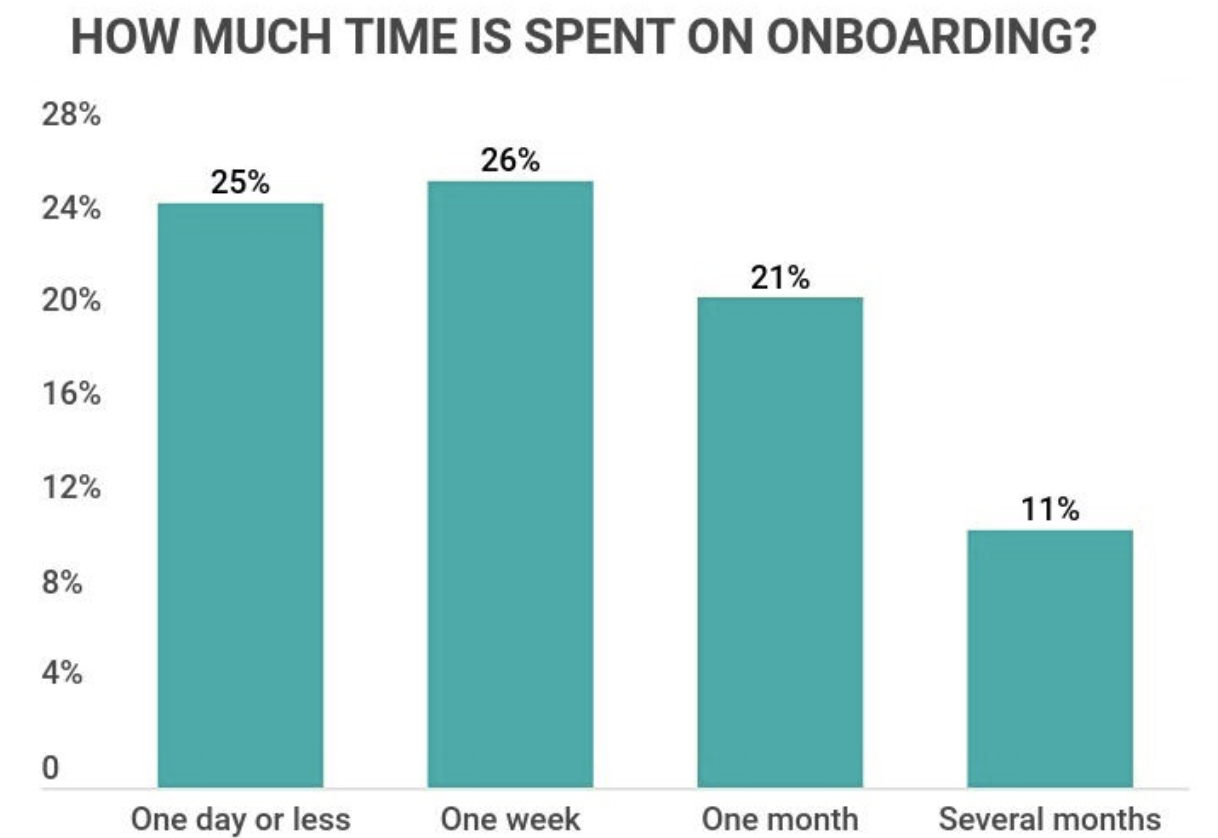
Schlossberg’s Transition Theory provides a framework for understanding how individuals adapt to significant changes in their lives, emphasizing three key phases. In the moving in phase, individuals acclimate to and become comfortable in their new environment, focusing on understanding roles, norms, and expectations; this is the area in which orientation plays the biggest role. The moving through phase involves navigating the challenges and demands of their new situation, developing competence, and building relationships; at this stage we see ongoing orientation activities such as mentorship, effective management, and informal relationships playing the biggest role. Finally, the moving out phase represents eventual departure and transition into the next environment for an individual. The theory identifies four key factors that influence successful transitions: situation, self, support, and strategies; as to where orientation is concerned, a firm foundation can be laid for all four factors.
The Theory of Community
Effective community-centered onboarding establishes a strong sense of community by building four key pillars: connection, shared experiences, community alignment, and informal relationships. Grounded in research demonstrating the impact of well-structured orientation on retention and productivity, these pillars offer a framework for ensuring both individual and organizational success. Mentorship programs, cohort-based onboarding sessions, and storytelling are key practices that align with the findings about fostering trust, camaraderie, and shared values. Similarly, social events and informal interactions break barriers, creating an environment where relationships can thrive.
For example, in Queen’s Commerce Orientation, the Commerce Brunch provides a tangible demonstration of these pillars in action. Featuring a panel of academic resources, mental health professionals, faculty, and student government leaders, the event equips incoming students with tools to tackle personal and academic challenges. Moments like this not only foster connection but also align students with the values and support systems of their new community, helping them navigate transitions with confidence.
Building on these established foundations, I propose the The Theory of Community, which synthesizes existing research with lived experiences in orientation. This theory posits that the power of orientation lies in its ability to create a cohesive community through intentional design, where relationships and shared purpose become the bedrock for success. Inspired by my conversations with Steph La Posta at Shopify, this framework extends beyond traditional practices, advocating for orientation strategies that prioritize meaningful connections, adaptability, and cultural immersion. While rooted in higher education practices, this theory is equally applicable to the corporate world, offering a versatile approach to transforming onboarding into a strategic advantage.
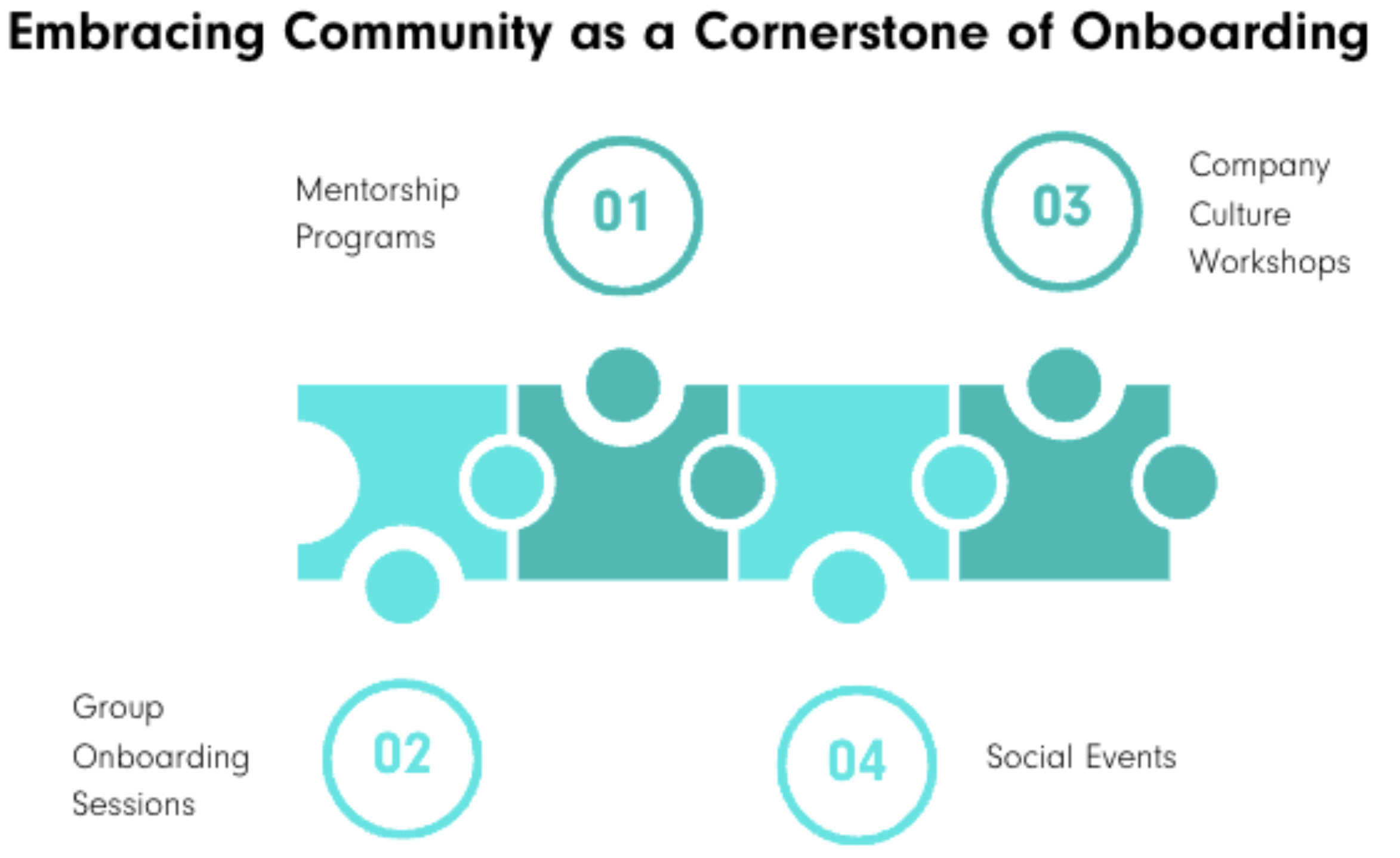
The situation factor outlined in Schlossberg's Theory aligns with the pillar of shared experiences; cohort-based onboarding creates a shared context where peers navigate new roles together, fostering camaraderie and mutual support. For example, during Commerce Orientation, my group, Spades 5, participated in the Commerce Olympics, which included activities like huckle buckle races and passing a beach ball with our feet. Despite a few bruises, the shared laughter and teamwork brought our small cohort closer, forming bonds that carried on throughout the year. The self factor contributes to this idea of connection, as one-on-one relationships support an individual's capacity for resilience and confidence, building trust and providing a foundation for long-term success. At the Commerce Picnic, I connected with an upper-year leader who had taken the same elective I was enrolled in, "Introduction to Political Theory". Her tips on study strategies and willingness to answer my questions throughout the year were instrumental to my success, turning an initial conversation into a meaningful mentorship. The support factor directly enhances community alignment, as storytelling and interactive sessions during onboarding introduce new hires to cultural norms and shared values, creating a sense of belonging within the organizational ethos. Lastly, the strategies factor complements informal relationships, as social events encourage proactive engagement, breaking digital barriers and cultivating friendships. The Godfather Gala, a highlight of Commerce Orientation, exemplifies this perfectly. As a first-year, dancing and sharing a meal with peers helped me bond with my now best friend, laying the foundation for a lasting relationship. As a second-year leader, the gala gave me the opportunity to connect with first-years, hear about their experiences, and provide ongoing support through follow-up coffee chats. These moments illustrate how well-designed orientation activities can break down barriers and foster meaningful, long-lasting connections.
Onboarding in Action: Shopify
Shopify’s onboarding strategy is an excellent example of orientation done well. Internally dubbed Startup, the process is designed to immerse new hires in the company’s mission, culture, and community, accelerating integration from start to impact. The process begins with a three-day, cohort-based program that emphasizes shared experiences and cultural alignment to integrate new hires at all levels, including executives. While all employees participate in the same core program to ensure a consistent and inclusive onboarding experience, executives often face unique demands that may require them to engage differently. Some executives balance immediate responsibilities by dipping in and out of the sessions, while others dedicate extra time after hours to fully engage with the content. Notably, Shopify previously experimented with tailored onboarding for executives but found that separating leadership from the general program led to feelings of disconnection at the higher levels of leadership. As a result, the company now ensures that even high-level hires experience onboarding alongside a cohort, reinforcing the sense of community and cultural immersion that Shopify prioritizes. This approach clearly underscores the importance of shared experiences in fostering alignment across all levels of the organization.
Following the initial Startup program, new hires move into department or function-specific onboarding to deepen their understanding of the tools, processes, and goals unique to their roles. This phase is tailored to accelerate their time to impact, equipping employees with the practical knowledge and relationships they need to succeed within their specific teams. Shopify leaves people-leaders with significant discretion in shaping this ongoing orientation, allowing it to be adapted to the smaller communities represented by projects or teams. This flexibility ensures that orientation continues to meet the evolving needs of new hires as they integrate into their immediate work environment. Additionally, Shopify incorporates team and function-specific bursts, which are in-person engagement opportunities designed to break the digital wall of remote work. These bursts allow teams to connect face-to-face, fostering stronger bonds and enhancing collaboration by building trust and rapport that are otherwise challenging to achieve in a fully digital setting.
Shopify’s onboarding also exemplifies the four pillars of a community-centered approach. Connection is fostered from the first week, with coffee chats set up and all necessary introductions made. Shopify ensures new hires feel individually valued as they navigate their roles. Shared experiences are central to the three-day cohort-based program, where employees at all levels engage in collaborative activities, building camaraderie and mutual understanding. The emphasis on cultural alignment is evident in storytelling elements, such as the merchant documentary, which connects employees to Shopify’s mission and values, helping them see their work as part of a greater purpose. Additional praise to Shopify’s CEO and founder, Tobias Lütke, is warranted as he releases a letter to the company each year renewing the stated strategic vision, reinvigorating the culture with an inspiring level of drive. Finally, informal relationships are nurtured through social elements like coffee chats and Slack communities, breaking down hierarchical barriers and encouraging organic connections across teams. The Slack communities, or Employee Resource Groups (ERGs), allow employees to bond over everything from equity-deserving identities to being fans of sport groups, allowing for an incredible degree of informal genuine connections. By embedding these pillars into every phase of the onboarding process, Shopify ensures that employees remain engaged and connected while seamlessly integrating into both the broader company culture and their smaller team environments.
Onboarding in Action: Commerce Executive on Orientation at the Smith School of Business
Smith’s School of Business, Commerce Orientation is a well developed and time tested program designed to welcome first-year students into the Smith community, easing their transition to university life. Led by the Commerce Executive on Orientation (CEO), a team of third-year students, and supported by second-year orientation leaders, the program ensures a personalized experience with an 8:1 student-to-leader ratio. Students are organized into small cohorts of 15, guided by two upper-year leaders, to participate in team-based challenges and activities that foster camaraderie. Larger events encourage students to connect with their entire orientation class, while key addresses from the Dean of the Smith and the Smith Commerce Society Executive ground students in the values and traditions of the program. Cherished traditions, passed on by the CEO and the Commerce Office, link students not only within their cohort but also across graduating classes. Inclusivity and accessibility are placed at the forefront, with Equity, Diversity, Inclusion, and Indigeneity principles ensuring every student feels welcome and valued. Beyond structured events, informal opportunities such as athletic challenges, galas, and networking discussions allow for organic relationship-building with peers and upper-year students, creating a community that spans graduating classes and supports all participants.
Commerce Orientation exemplifies connection through the student to leader ratio and mentorship opportunities that ensure every student feels supported and personally valued. Shared experiences are central to the cohort model, where small groups collaborate in challenges and activities, fostering strong bonds within their teams. Cultural alignment is achieved through storytelling and tradition, with participation from leaders at the highest level of the school reinforcing shared values and connecting students across generations and to the faculty. Friendships and connections beyond orientation are cultivated through orientation events that break down barriers, and allow students to form genuine connections with peers and upper-year mentors. By embedding these pillars into every aspect of its design, Smith Commerce Orientation creates a vibrant and inclusive community that sets students up for success.
What’s Next
Shopify’s tailored onboarding process and Commerce Orientation demonstrate the transformative power of connection, shared experiences, cultural alignment, and informal relationships. These pillars create environments where individuals feel valued, supported, and aligned with organizational and academic goals. This leads to higher engagement, retention, and success. A community-centered onboarding strategy builds this foundation, ensuring individuals adapt seamlessly and feel a genuine sense of belonging. For corporations, the imperative is clear: by adopting these principles and learning from the demonstrated successes of Shopify and Commerce Orientation, a thriving and loyal workforce prepared to excel in their roles can be fostered. A community-centered approach to orientation, as Shopify puts it, accelerates time to impact, proving that connection drives success.
Dedication
The writing of this article would not be possible without the cooperation and time of Shopify’s Steph La Posta. Thank you, Steph, your insight and experience in the onboarding field proved invaluable for this article.