
Generation Plastic and the Fertility Fallout
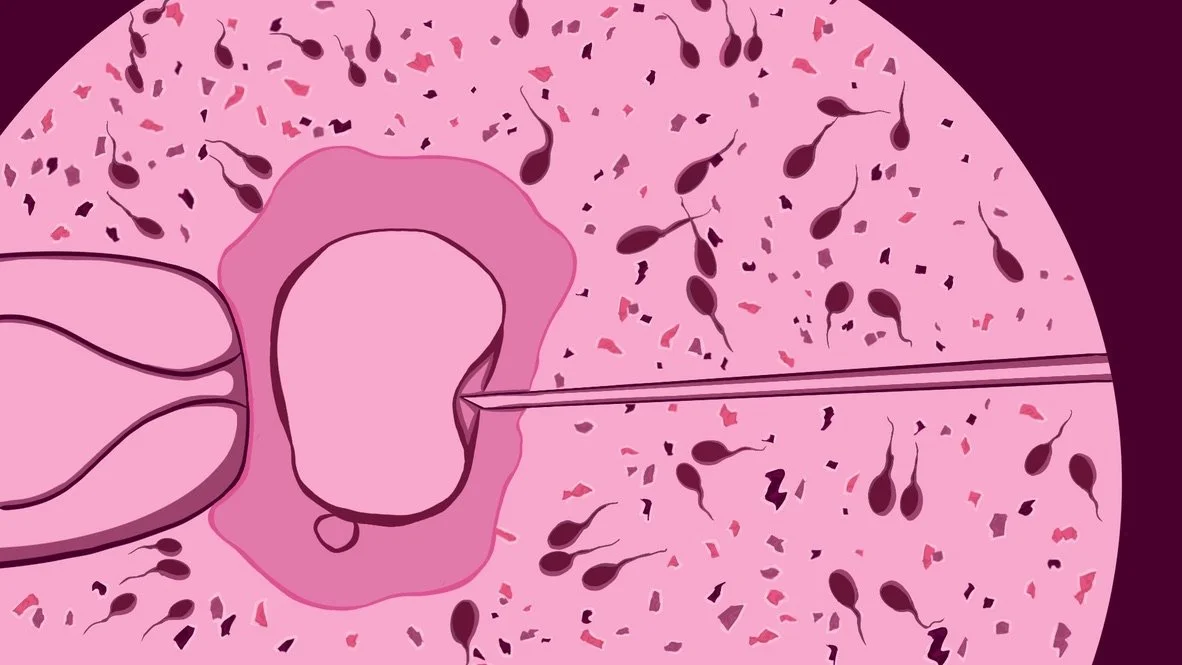
Look around the room you're sitting in. How many things do you think have plastic in them? Your water bottle, keychain, the TV, maybe you even said your clothing; but have you looked inside your cells? In the past decade, scientists have discovered something disconcerting: microplastics—tiny fragments of degraded plastic now present in our food, water, and even the air we breathe—are showing up in human tissue. They’ve been found in blood, lungs, breast milk, placentas, and most recently, in the testes. Alongside this growing body of research, fertility rates are plummeting worldwide, with global sperm counts dropping by more than 50 per cent over the past half-century as plastic use skyrockets.
While many lifestyle factors such as diet, stress, and pollution all play a role in reproductive health, researchers are increasingly pointing to environmental toxicants in the form of microplastics as an invisible, pervasive threat. These particles can disrupt hormones, damage sperm development, and potentially compromise fertility across generations. What was once dismissed as a distant environmental problem has now entered the most intimate corners of the human body. The “war on microplastics” is no longer only about oceans, plastic straws, and saving turtles. It’s about whether the very materials that built the modern world are undermining our ability to create the next one.
Microplastics in Our Bodies
Let’s start with a definition. Microplastics is a term referring to plastic particles ranging in size from 100 nanometres to 5 millimetres. These particles are highly ubiquitous in both man-made and natural environments today. Since their discovery in the 1970s, microplastics have been of particular concern because they are small enough to be taken up by many organisms through ingestion, inhalation, and transdermal exchange. In fact, some microplastics are so small that they cannot be seen with the naked eye, making them especially difficult to avoid and leaving humans unaware of their global presence in our food, air, and water.
In another troubling phenomenon called the “Trojan Horse Effect,” these particles can act as carriers for other pollutants. Their large surface area and hydrophobic nature make them ideal mediums for binding heavy metals and transporting them into the body. Worse yet, because humans are at the top of the food chain, we face a significantly higher risk of bioaccumulation and biomagnification of plastics in our bodies compared to other potentially affected organisms. Over time, this means plastics and their hitchhiking toxins can accumulate within human tissues at levels far greater than in other species.
All considered, it's perhaps most important to note that all plastics are entirely non-native to the human body, and once inside cells, they cannot be metabolized or expelled. In essence, once plastic enters, it stays—a reminder that the materials we create to outlast time may be outlasting us in ways we never intended.
Microplastics on Reproductive and Endocrine Health
Since the 1950s—the dawn of the plastic age—global sperm counts have declined in parallel with increased plastic production. Exposure to certain compounds, such as polytetrafluoroethylene (PTFE), has been specifically correlated with decreased semen quality and concentration. Today, microplastics have now been detected in nearly every type of human and animal tissue studied—including reproductive organs.Their ability to enter and persist in the body allows them to disrupt hormone production, damage reproductive cells, and impair fertility across sexes.
The most well-documented mechanism behind microplastic toxicity is oxidative stress, which occurs when microplastics generate harmful free radicals inside cells. This stress damages mitochondria, interferes with DNA and protein synthesis, and disrupts the normal function of hormone-producing cells. Over time, this leads to inflammation, cellular dysfunction, and reproductive hormone imbalance.
A recent study even found microplastics in every human testicle specimen examined. In males, microplastics primarily damage Leydig cells, which are responsible for producing testosterone in the testes. This results in lower testosterone levels and reduced production of key fertility hormones, including luteinizing hormone (LH) and follicle-stimulating hormone (FSH). Research in animal and human models shows that microplastics decrease sperm count and quality, leading to malformed and less motile sperm. For men, poor reproductive health means that conception is significantly more difficult due to decreased viable sperm alongside behavioral changes caused by changing hormone levels.
Similarly, in female reproductive systems—including the ovaries, fallopian tubes, and uterine tract—microplastic exposure has been linked to reduced ovarian weight, cellular atrophy, and a decline in viable follicle counts, all indicators of declining reproductive health. Microplastics can even cross the placental barrier, meaning babies are now being born with these particles already present in their bodies, leading to an increase in birth defects and premature births. And in both sexes, hormonal disruption caused by microplastic contamination in reproductive cells—such as Leydig cells in men and granulosa cells in women—can further alter sex hormone levels and diminish libido. The result is a systemic disturbance going beyond fertility to touch the hormonal foundations of human behaviour, personality, and everyday health.
Today, an estimated 8 to 12 per cent of couples worldwide face fertility challenges, with males and females contributing equally to the problem. Behind those numbers lies a complex mix of causes—genetic factors, environmental toxins, stress, diet, and increasingly, pollution. Microplastics may represent one of the most pervasive and yet least understood of these influences. Their ability to infiltrate reproductive cells, disrupt hormone production, and damage sperm and egg quality makes them an invisible but powerful player in the global fertility decline.
If plastics continue to accumulate in our bodies and environments, their reproductive impacts could ripple far beyond the individual, influencing future generations on a biological and societal level. Addressing the fertility crisis, then, requires not only medical innovation but environmental responsibility and adjusting personal practices. Protecting reproductive health may depend as much on reducing plastic consumption and pollution as on advancing fertility science itself.
How Can You Limit Your Plastic Consumption?
The first thing to note is that microplastics are everywhere: air, water, food, clothing; in today’s world, plastics are inevitable. That being said, there are a few practices to limit your plastic consumption and the effect they can have on you.
Let’s start with the kitchen. Small plastic particles from items like Tupperware, water bottles, and plastic cutting boards can leech or break off into your food especially when the food is hot or gets damaged over time. Choosing wooden, glass, or metal alternatives can reduce this risk and last longer overall. (Maybe there was some merit to Hydroflasks and Stanleys?). Similarly, avoid reusing single-use plastics to store food and drink. It is in the name! They’re designed for one use only, and repeated exposure to heat or wear increases the risk of MP contamination.
Fibre is another quiet hero in this fight—it doesn’t just aid digestion, it helps bind and flush out some of the microplastics we inevitably ingest. A fibre-rich diet also supports a healthy gut microbiome, which research suggests can be disrupted by plastic exposure. By keeping your gut ecology balanced, you help your body process contaminants more effectively and strengthen one of your first lines of defense against environmental toxins.
When it comes to clothing, opting for natural or semi-synthetic fibres can make a real difference in reducing plastic pollution. Materials like cotton, linen, hemp, wool, and modal release far fewer plastic fibres into the environment compared to fully synthetic fabrics such as polyester or nylon. Choosing these natural alternatives—even for a few clothing items—helps prevent microplastics from shedding into the environment during production, washing, and disposal. Secondhand shopping and upcycling are even more impactful choices, directly extending the lifecycle of garments, keeping textiles out of landfills, and reducing the overall demand for plastic-based fast fashion.
It’s worth remembering that reducing microplastic exposure is a gradual process, not an overnight overhaul. It is easy to feel alarmed after learning how deeply plastics infiltrate our lives, but meaningful change comes from small, consistent choices—like swapping a single item at a time as things wear out. The goal is never perfection; it’s awareness and progress toward a less toxic, more sustainable way of living.
The Future of Human Fertility and Preventing Contamination
Microplastics are no longer an abstract environmental concern. From testicular tissue to ovarian follicles, from sperm precursors to placental cells, these particles infiltrate the most intimate corners of our biology. But what does this mean for the future of human reproduction? If sperm counts have fallen in parallel with plastic production, how much further will they drop? If babies are born already carrying microplastics, what are the generational consequences?
Still, amid these unsettling discoveries, there is room for agency. While exposure is unavoidable, it isn’t uncontrollable. The future of fertility in a plastic world depends on acknowledging this hidden threat, pushing for stronger research and regulation, and adopting practices that reduce our personal and collective plastic burden. Microplastics remind us that what we put into the environment comes back to us—not just in oceans and landfills, but in our cells, our hormones, and the generations yet to be born.
And yet, even with individual action, the larger dilemma remains. Should the burden fall on individuals, or on industries and governments to reduce plastic pollution? How much evidence will be enough to drive policy change? And most critically, what does it mean for humanity if the very materials that built the modern world are quietly eroding our ability to create the next one?