
From Fields to Geopolitics: Why Fertilizer May Be the New Oil
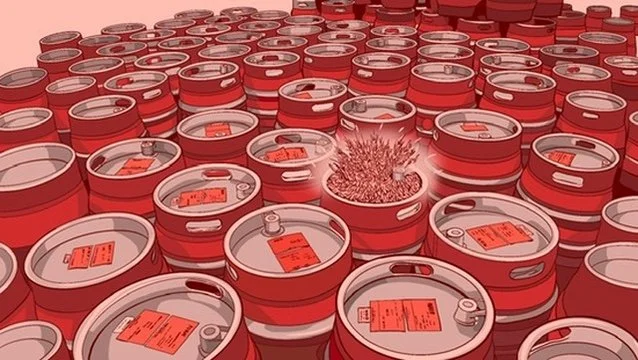
When Europe’s ammonia plants shut down in 2022 due to an energy crisis, shockwaves were felt across grocery shelves from Paris to Cairo. The prices of wheat, maize and various other grains surged, pushing food security policies to the top of political agendas. The driving force behind this all was not oil, but rather fertilizer, a key economic and geopolitical commodity reshaping grain markets, grocery aisles and government budgets worldwide. Similar to oil in the 20th century, control over the global fertilizer production and supply shocks have greatly influenced food prices, diplomacy, and economic stability in the past few years. As nations scramble to secure food supplies amongst growing inflation and supply shortages, fertilizer is emerging as a powerful yet silent force in reshaping economic stability and forging political alliances.
Fertilizer’s Central Role in Global Food Supply
Modern agriculture heavily relies on the use of fertilizer. In fact, nearly half of the world’s food production can be linked to nitrogen, phosphate and potash. These key nutrients play a critical role in crop yields, however, unlike other commodities, fertilizer is dangerously concentrated in certain geographic regions. For instance, potash is dominated by Canada, Belarus, and Russia. Meanwhile, global phosphate supply largely comes from Morocco and China. Nitrogen, tied to natural gas reserves, leaves Europe and Asia reliant on imports.
This geographic clustering leaves fertilizer vulnerable to a cascade of consequences due to disruptions in any form, be it political, climatic, or military. Unlike grain or oil, fertilizer is not a readily substitutable commodity, meaning if potash mines are cut off in Belarus, for instance, the impacts are sure to be felt globally –, sparking concerns as the stakes get higher. The world’s population is expected to exceed 9 billion by 2050, and along with it, fertilizer demand is projected to grow by over 50%. Food security is already fragile and thus will be increasingly tied to the geopolitics of these critical inputs.
The 2021-2023 Fertilizer Shockwave
From 2021-2023, the fertilizer market faced a perfect storm:
The Russia-Ukraine War: Belarus and Russia together contribute to nearly 40% of the global potash exports and 20% of nitrogen, potash and phosphate combined, and both were faced with sweeping sanctions amidst the war. Shipping routes were disrupted, which fragmented supply chains and led to the tripling of potash prices in some markets.
China’s Export Controls: In late 2021, Beijing imposed restrictions on phosphate exports to prioritize their domestic agricultural needs, amidst soaring global prices. This cutoff to the global supply chain only further exacerbated the fertilizer crisis worldwide.
Europe’s Natural Gas Crunch: Nitrogen fertilizer depends heavily on natural gas. With the Russian production falling, fertilizer producers in the EU were forced to shut down, and about 70% of ammonia production in Europe was suspended.
The results of this were immediate, with fertilizer prices soaring over 300% in Sub-Saharan Africa, which led to lower planting rates and decreased yield. Advanced economies including the EU were also forced to step in with support in the form of subsidy packages to keep farming afloat. Similar to the oil shocks in the 1970s that redrew global power maps, this fertilizer shock highlighted the vulnerability of modern economies to concentrated commodity flows.
Europe’s Fertilizer Reckoning
Europe’s agricultural system runs on large quantities of imported nitrogen, and when natural gas prices skyrocketed, this reliance on foreign fertilizer supply was made painfully visible. Ammonia plant closures in 2022 had repercussions across the food chain. Grain markets suffered as farmers hesitated to plant among growing costs, which was contributing to a food crisis. To prevent the situation from worsening, Brussels was forced to enact emergency subsidy measures and the Common Agricultural Policy (CAP) was temporarily adjusted to help farmers cope.
However, the most important shift this crisis resulted in was the pivot to green ammonia, an emerging technology that uses renewable energy in place of fossil fuels for nitrogen production. Within a year, the EU successfully secured agreements with Morocco, Egypt and Canada to build long-term supply chains for low-carbon fertilizer. Green ammonia not only serves as an important climate solution, but also a geopolitical strategy. By diversifying its sources, Europe hopes to shield itself to disruptions similar to the 2022 crisis.
Fertilizer Diplomacy and the New Resource Politics
As oil once fueled alliances in the Middle East, fertilizer continues to reshape partnerships globally. For instance, while facing sanctions across its energy exports, Russia expanded its fertilizer flows to Africa and Latin America. By providing nitrogen and potash to these regions at a discounted rate, Russia is gaining soft power and diplomatic goodwill, especially in nations with fragile food security. This strategy mirrors Cold War resource diplomacy seen during the Cold War, where Russia exported essential goods to gain long-term political allies.
Likewise, Morocco currently holds over 70% of global phosphate reserves, which has become a resource as strategic as oil was. Through phosphate-based agriculture programs across Africa, Morocco is also becoming a key geopolitical player, forging alliances not just through energy but also food security partnerships. OCP, a state-owned foundation, has signed fertilizer deals across West and East Africa, from Senegal to Tanzania, which has positioned Morocco as a vital intermediary between the Global South as well as major grain consumers.
Investor and Policy Takeaways: A Fertilizer “OPEC”?
As fertilizer markets continue to consolidate and national fertilizer strategies evolve, analysts see echoes of the rise of OPEC in the 1970s. At the moment, no formal collective organization exists, yet a handful of nations hold key influence over supply and pricing similar to oil. If these efforts are coordinated, they together may shape global markets in the same ways oil exporters did decades prior.
Thus, investors are already paying attention to numerous developments in this area, including:
Green ammonia technologies, which have garnered billions in funding to date,
Governments tracking early warning signs of food inflation, from fertilizer export bans to shifts in tariffs, and
Resource alliances that continue to emerge between Europe, North Africa and Canada to secure long-term fertilizer supply security.
In many ways, this resembles the oil landscape in the early 1970s – fragmented, but perfectly primed for coordination. A small group of fertilizer powerhouses, namely Canada, Russia, Belarus, Morocco and China, already control the bulk of global supply for potash, nitrogen, and phosphate. If these players move towards cooperation, whether it be in formal or informal ways, they could exert significant pricing power and reshape trade deals. This would have sweeping implications for both commodity markets and food inflation, but also energy transitions with green ammonia becoming intertwined with hydrogen strategies. For investors, watching fertilizer is not just about agriculture anymore, but rather geopolitical leverage, inflation hedges, as well as changes in long-term infrastructure. For policymakers, the message is strikingly clear, agriculture is no longer a mere agricultural input, but a strategic asset.
The world’s next growing economic headline may not be crude barrels or shipping lanes, but rather access to key fertilizers such as nitrogen, potash and phosphate. A once overlooked farming output, fertilizer now underscores concerns on global food security. With nations scrambling to secure access and rethink investments on green fertilizer growth as well as trade dependencies, fertilizer is emerging as a quiet commodity influencing not only the world’s dinner plates, but also political stability.