
Articles

Mineral Wealth in the Democratic Republic of the Congo: A Liability
The DRC has struggled under poor governance, conflict in neighbouring countries, and a weak financial system. As the technology industry only grows stronger in the global economy, demand for the resources necessary for manufacturing has skyrocketed. The DRC has these materials in abundance, but is unable to capitalize on them. As technology has simplified Canadian lives, the conflict in the DRC has escalated. Government reform, along with changes to capital investment, is necessary to put an end to decades long conflict.
Once Upon a Time in Hollywood: Productivity, Technology, and the Rising Cost of Cinema
Hollywood has a strange economic problem: movies are becoming more expensive even as technology makes filmmaking easier than ever. Bigger cameras, better software, and advanced visual effects have transformed the industry, yet blockbuster budgets continue to climb into the hundreds of millions of dollars. This article explores the economic forces behind this contradiction through Baumol’s Cost Disease, a theory explaining why some labour-intensive industries struggle to achieve the same productivity gains as the rest of the economy. Using Hollywood as a case study, it examines why creativity remains costly and what the film industry reveals about the limits of technological progress.
Right Talent, Wrong Time: Canadian Youth in the Workforce
After a choppy 2025, Canada's December job gains went almost entirely to older workers while young people lost ground, with youth unemployment more than double the national average. This piece unpacks why the entry-level door has jammed, from an oversupplied labour pool to employer caution and early signs of AI displacement, and warns the scarring effect on a generation will outlast any single business cycle.

Cars Against Humanity: The North American Car Dependency Epidemic
Cars promise freedom, but North America's dependence on them comes at a steep price. This piece traces how postwar policy made driving the default, compares it to Europe's more balanced approach, and lays out the costs, from strained household budgets and expensive sprawl to billions lost to congestion, before pointing toward more walkable, connected cities.

Transparency as a Market Force: How Disclosure Reduces Economic Agency Costs
Can simply requiring companies to share information make them behave better? Drawing on summer research into a Nasdaq board-diversity rule, this piece explores how corporate disclosure works as a low-cost check on managers who might otherwise put their own interests ahead of shareholders.
From Fields to Geopolitics: Why Fertilizer May Be the New Oil
Fertilizer may be the most powerful commodity most people never think about. When Europe's ammonia plants went dark in 2022, food prices spiked from Paris to Cairo, exposing how fragile the world's supply of nitrogen, potash, and phosphate really is. This piece traces the recent fertilizer shock and the new resource diplomacy playing out from Russia to Morocco, arguing that fertilizer is becoming the geopolitical force oil once was.

Music, Running Water, and Electricity; The Implications of the Modern Music Economy
This article examines how streaming has transformed music from something consumers once purchased into an always-available utility, while making it increasingly difficult for many artists to earn a sustainable income. Platforms, record labels, and vertically integrated companies like Live Nation and Ticketmaster capture much of the value generated by music, leaving creators with a comparatively small share. Drawing on industry data and interviews with emerging musicians, the piece ultimately uses the music industry as a broader case study of digitalization, questioning whether algorithmic convenience is shifting economic power toward the technology companies that control access, distribution, and attention.
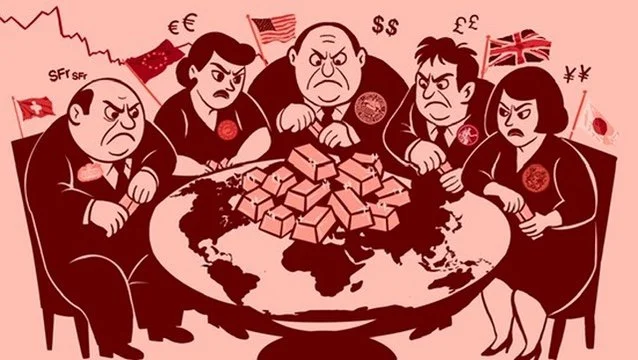
The New Gold Standard: Are Central Banks Anticipating a New Financial Order or Adopting Diversification Strategies?
With increasing economic uncertainty and geopolitical tensions, central banks around the world, especially BRICS nations, are increasingly adding gold to their reserves. QBR Editor Janani Anandan explores how this movement extends beyond mere diversification, signalling a growing dissatisfaction with U.S. dollar dominance and embracement of de-dollarization practices. However, a complete return to a gold standard faces various obstacles including production constraints, market volatility and global scale complexities. Anandan investigates the motivations and implications of such a shift towards gold, offering insights to retail investors and policymakers alike.

The True Price of Beauty: An Economic Analysis of the Big Beautiful Bill
Donald Trump’s second presidential term has been marked by slogans and spectacles. His self-proclaimed “Big, Beautiful Bill” (BBB) stands out not just for its name but its sweeping economic implications. The president is adamant about ”making America great again,” stating it would “make this country into a rocket ship. It's going to be really great.” But with beauty comes hefty price tags, which brings into question – how beautiful really is the big beautiful bill?
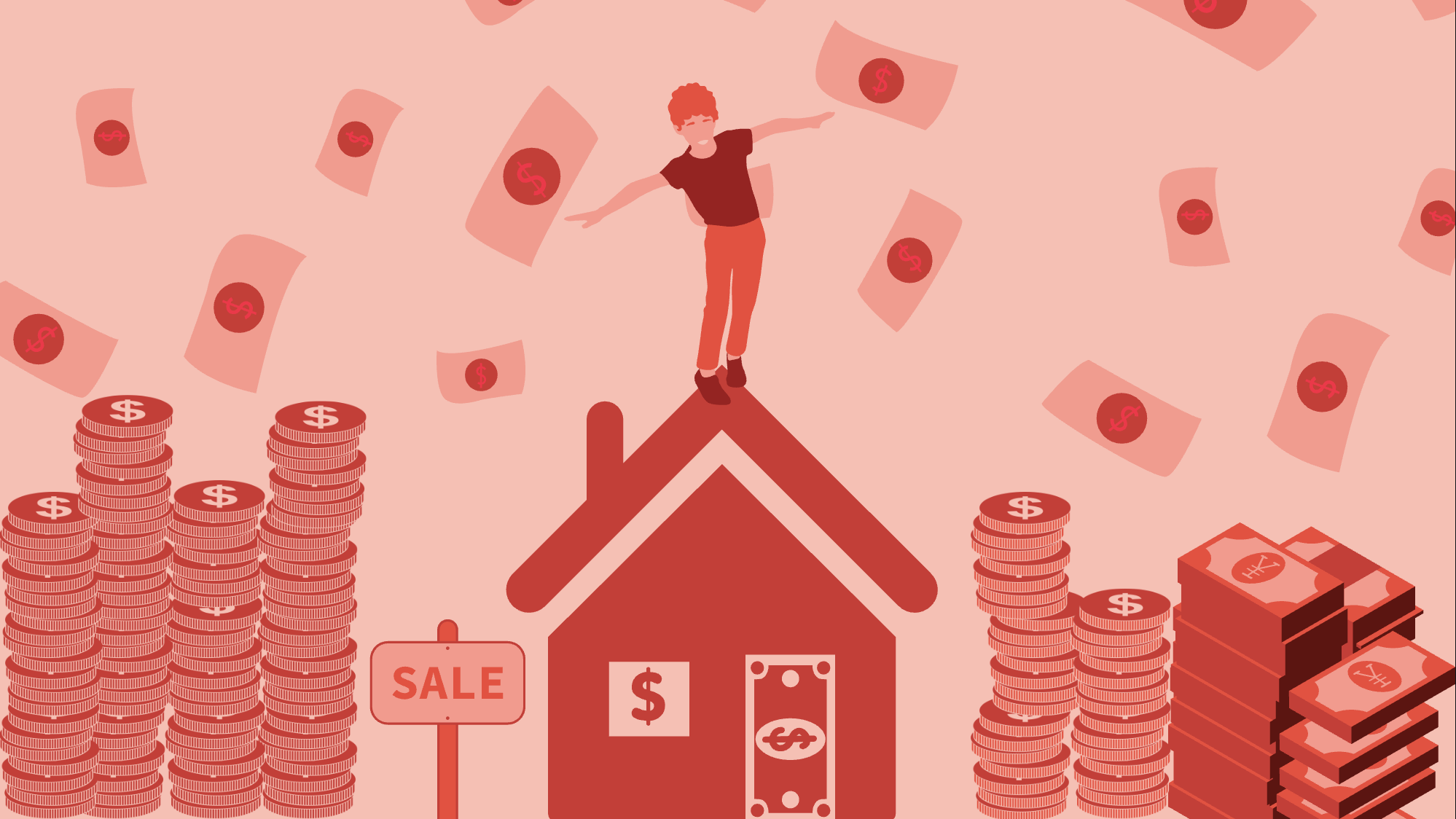
House of Cards: Canada’s Overreliance on Real Estate
Housing has long been seen as the cornerstone of financial success in Canada, but has that belief gone too far? QBR Editor Jack Ayala examines how government policy, corporate strategy, and cultural values have turned real estate into Canada’s primary engine of wealth. From rising inequality and missed opportunities for innovation, this article explores how an overreliance on housing has reshaped the economy and put everyday Canadians at risk.