
Articles
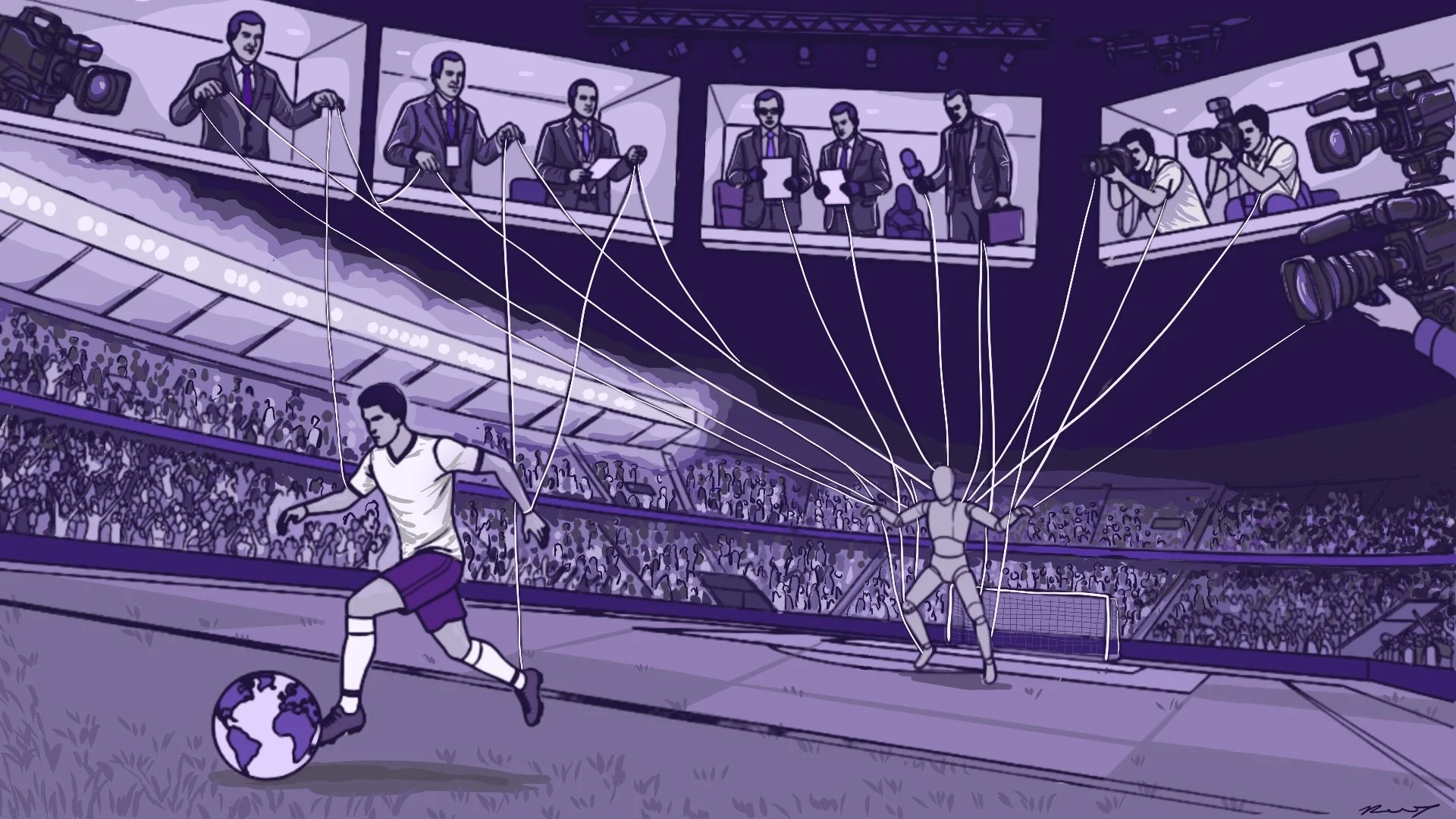
The Beautiful Game, the Ugly Politics
In “The Beautiful Game, the Ugly Politics”, Madison Miller traces how the 2026 World Cup, co-hosted by Canada, the US, and Mexico, became as much a political story as a sporting one. Madison charts Trump’s recurring interference, from lobbying for the joint bid and pressuring FIFA to overturn a player’s suspension, to inserting himself into the trophy ceremony, then widens the lens to ICE’s presence at American stadiums. Madison later expands on the other costs, including Canada’s ballooning hosting costs, a surge of online racism, and FIFA’s long-unfulfilled promises of reform. Throughout, Madison presses a single question: who really pays the price for these political spectacles?
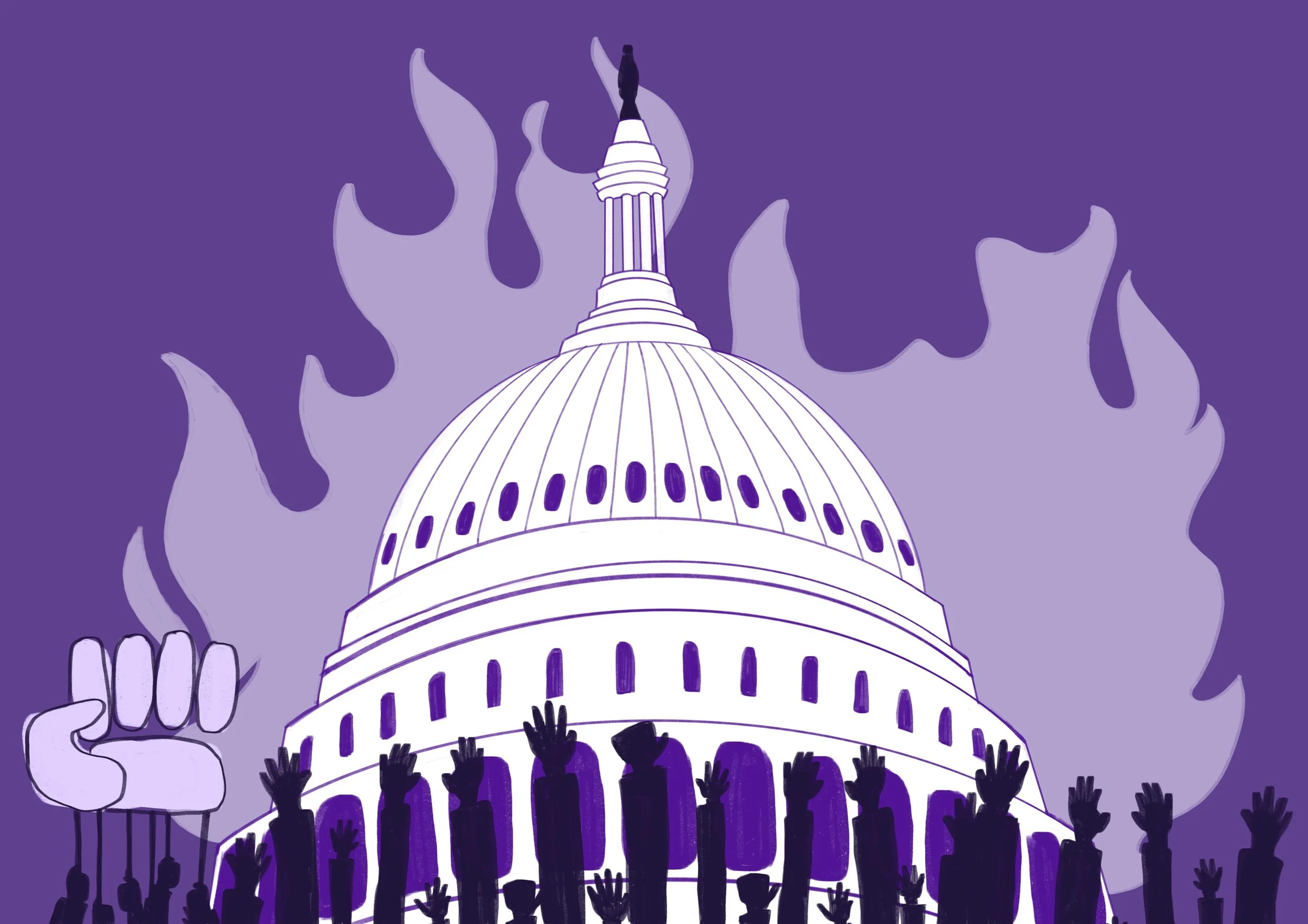
The Right’s Legislative Playbook for Winning Before the Vote
In this article, Mehta Hussain argues that the American right's legislative dominance stems from superior infrastructure rather than superior popularity. Examining three venues of institutional power: the federal reconciliation process, the Federalist Society's judicial pipeline, and ALEC's state-level model-bill network, the article demonstrates how conservative actors have spent decades converting political ambition into binding law. Contrasting this with the left's reliance on moral conviction and its underfunded counterpart, SiX, the article argues that closing this architectural gap requires matching the right in institutional discipline.

Europe’s Hot Take on Air Conditioning
Europe just endured its hottest summer on record, yet most homes across the continent still have no air conditioning. QBR Editor Daneez Ahmed examines why AC has been kept out of reach for millions. From France’s populist AC push to Switzerland's cautious cantons, this article explores how a fight over a single appliance has come to stand in for a much bigger question: how much heat is acceptable to endure today, for a future that is not guaranteed to look any cooler.

The Cry From Within: Women Reshaping Iran
The Islamic Republic of Iran has worked to silence and control women, yet women have become the most powerful force challenging its authority. This piece traces that history from the Shah's gender reforms through the 1979 revolution to the Women, Life, Freedom movement sparked by Mahsa Amini's death in 2022, and asks why authoritarian regimes fear organized women more than almost anything else.
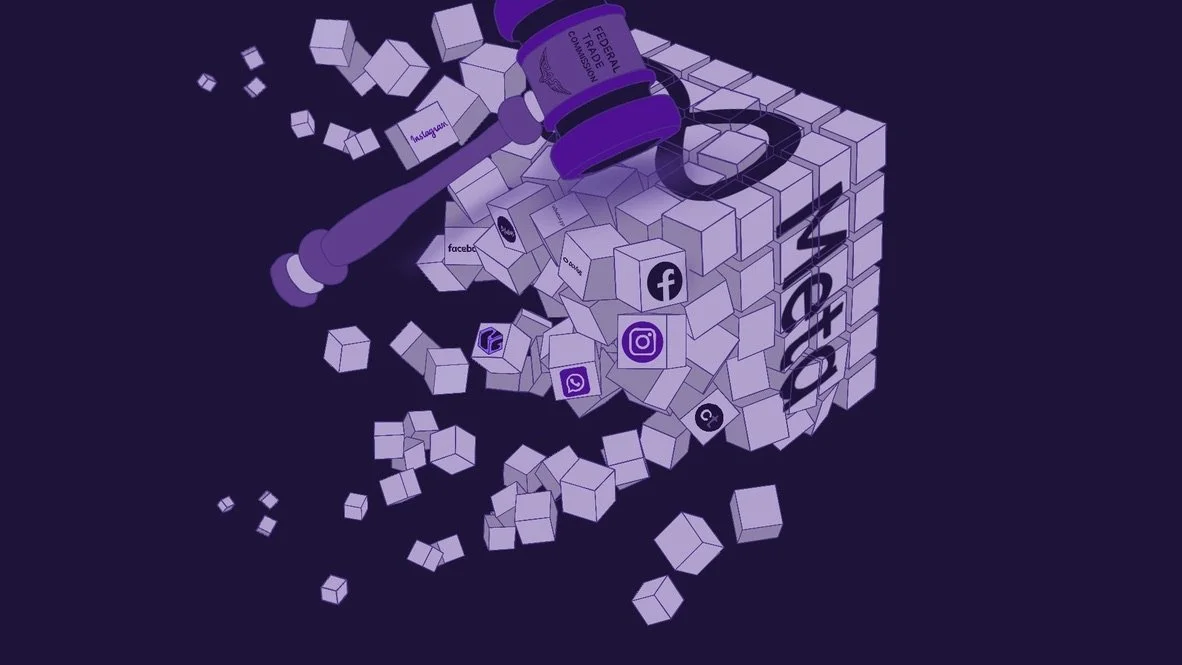
FTC v. Meta AntiTrust Trial: Why the Courts Got it Wrong
What happens when a company becomes so dominant that consumers have nowhere else to go? This article argues that the court’s ruling in FTC v. Meta failed to account for how Meta’s acquisitions of Instagram and WhatsApp weakened competition, innovation, and consumer privacy. It makes the case that modern antitrust law must recognize harms beyond higher prices, particularly when supposedly “free” platforms are paid for through users’ data, attention, and lack of choice.

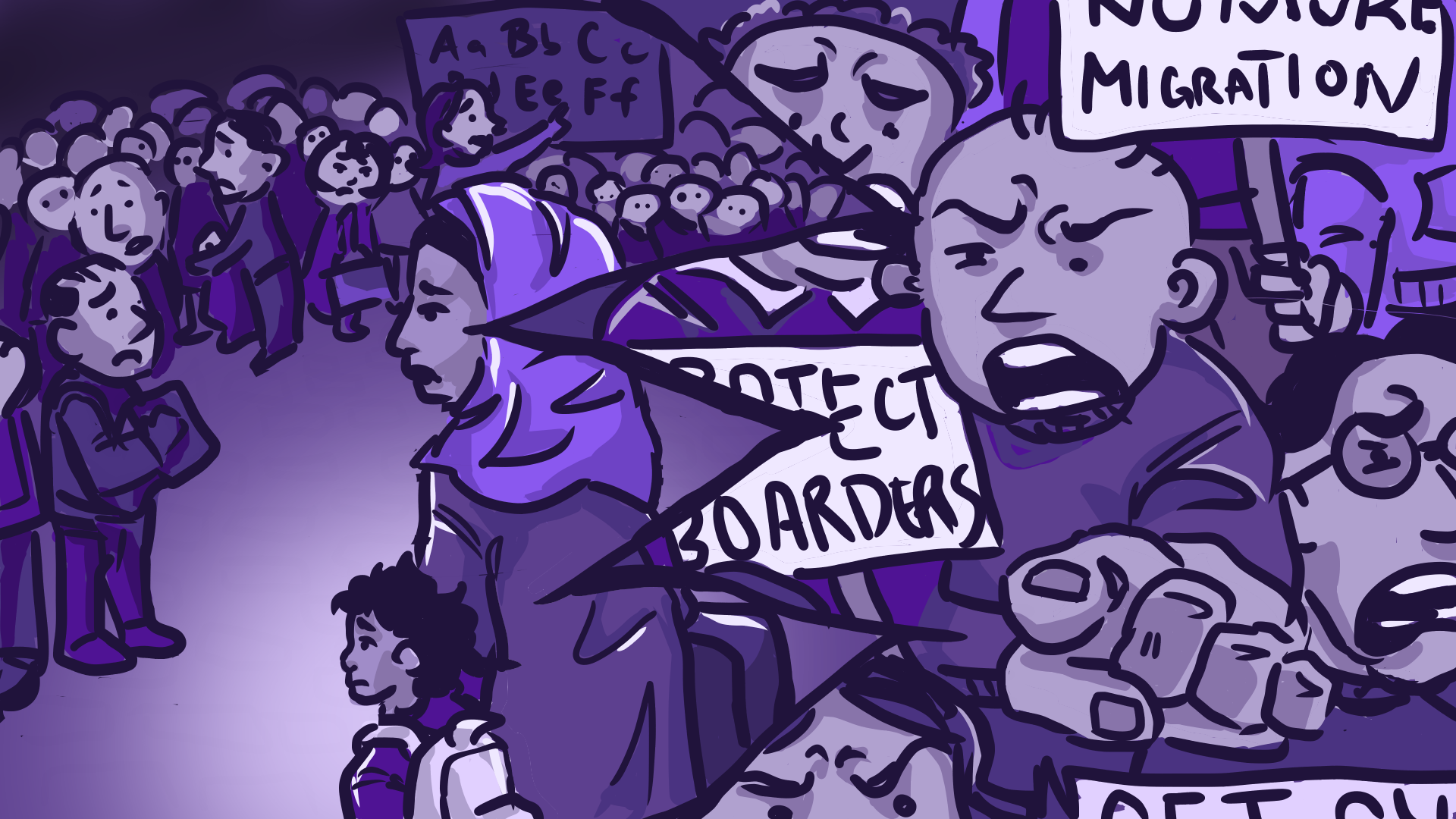
God in Government: Assessing the Modern Intersections and Implications of Religion and Secular Politics
Behind the growing influence of faith in politics lies a deeper concern: the erosion of secularism, the marginalization of minority voices, and the use of religion to shape policy. Politics & World editor, Shree Dave, examines how Religious Interest Groups in the United States and the culturalization of Christianity in European populist movements have reshaped supposedly secular democracies. From lobbying and legislation to embedding religion in national identity, this article explores how faith is leveraged to justify exclusionary policies and argues for protecting pluralism, equality, and true secularity.
Structural Reforms to Restore the U.S. Supreme Court’s Legitimacy
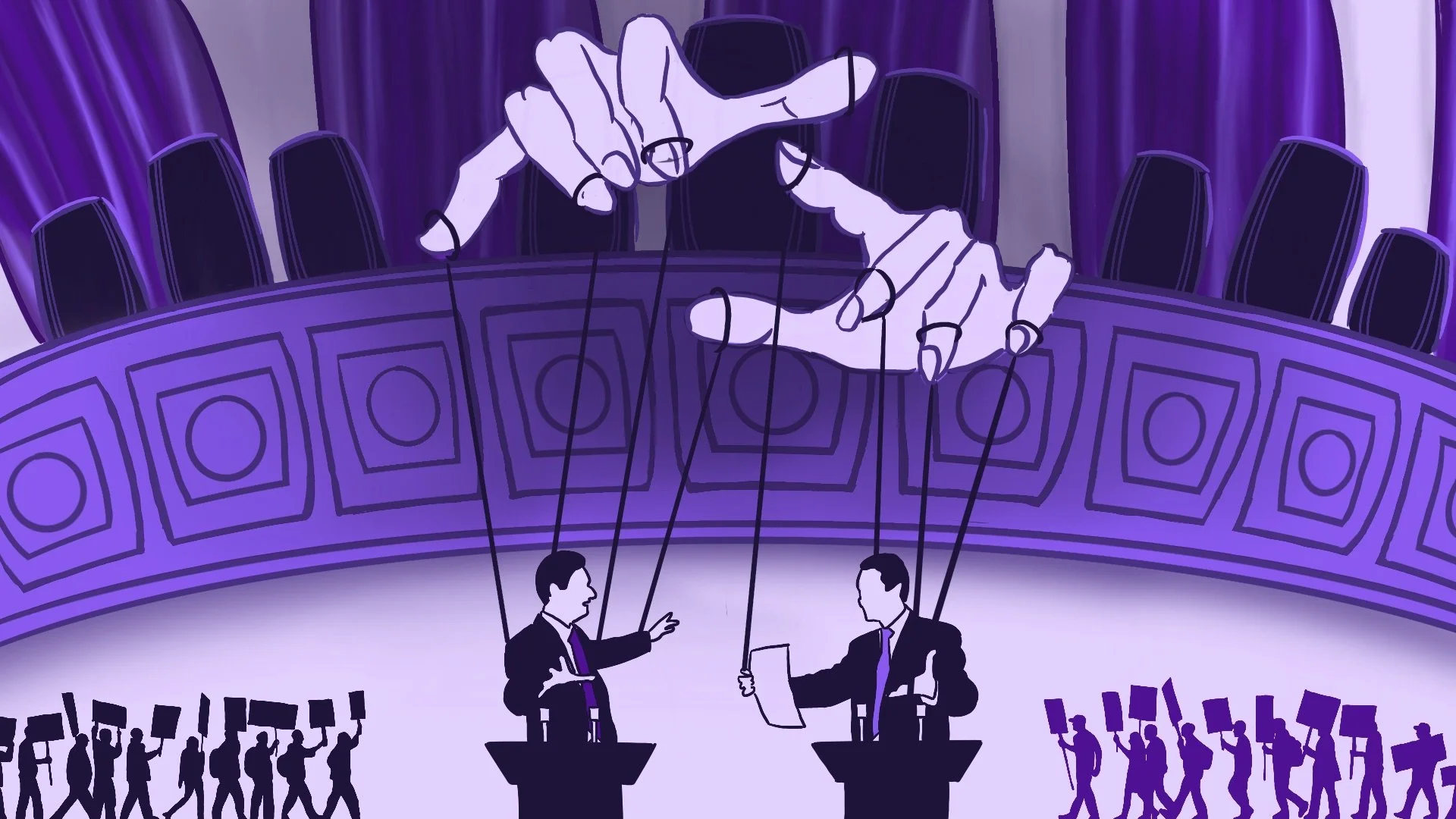
The Supreme Court of the United States (SCOTUS) is at a crossroads. In recent years, the nation’s highest court has gone from a non-partisan arbiter to a politicized arm of the government, leading many to cast doubt on the integrity of their decisions. In this editorial, Politics & the World editor, Max Odlozinski, discusses if the SCOTUS can regain its legitimacy.

The Playbook Behind Trump’s Tariff Chaos
This article will explore the evolution of U.S. tariff policy and the current trade policy of President Trump during his second term. By tracing the development of tariffs from the founding of the United States through to Trump’s potential second-term plans, this piece aims to examine how tariffs have re-emerged as a tool for President Trump to address the economic and geopolitical challenges facing the U.S.