
Articles

Sports Team Valuations: Why Private Equity is Buying Franchises
Private equity has officially entered the game. Since the NFL opened its doors to PE firms in 2024, sports franchises have become one of the hottest alternative investments around, with valuations soaring across every major league. Aiden Kwon breaks down what changed: how leagues loosened their ownership rules, why guaranteed media deals and real estate plays make teams so appealing to investors, and what private equity's long-term vision could mean for the fans who care about every season.
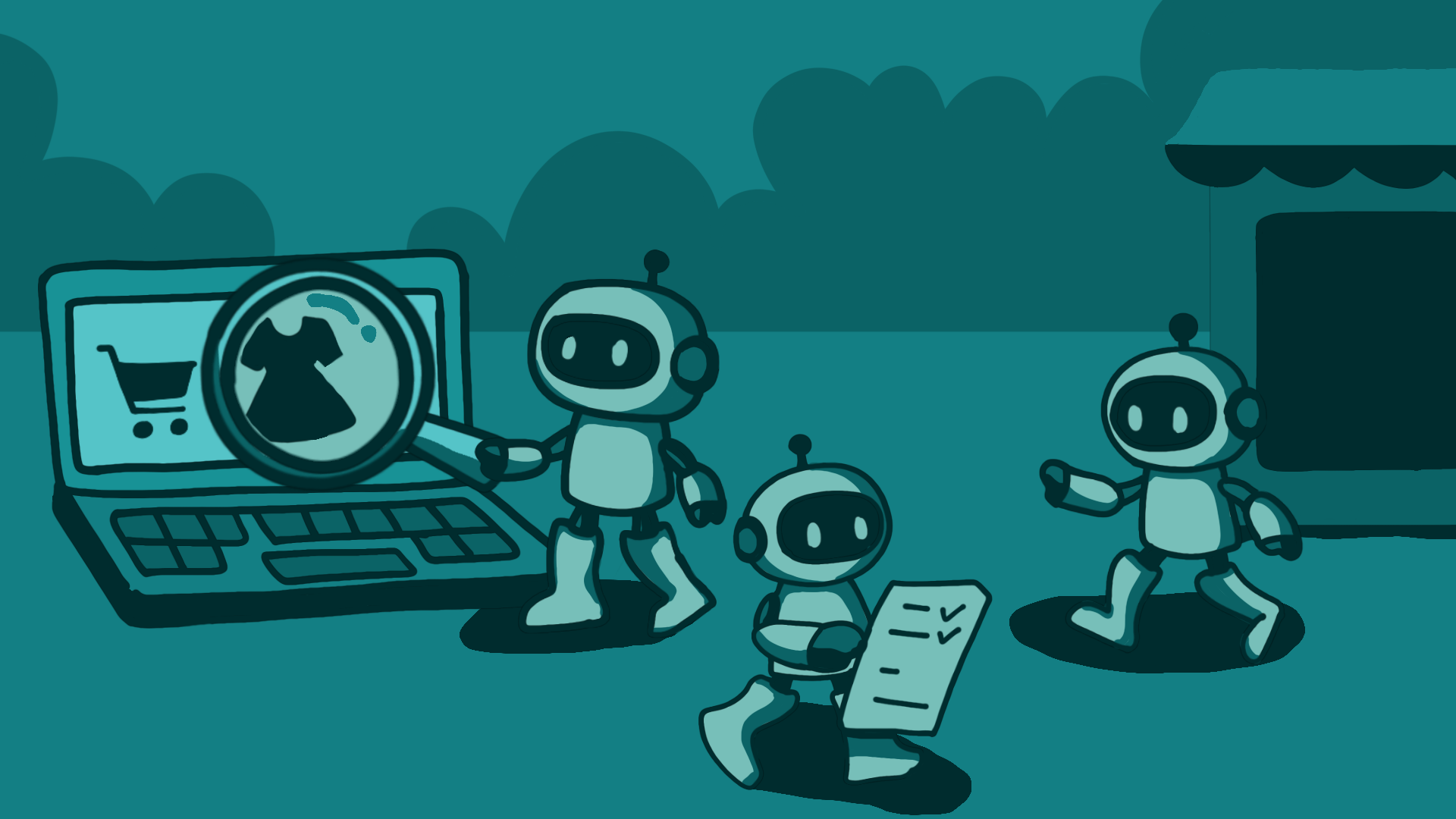
Forget Search, Your AI Will Buy It
As AI agents begin to research, compare, and buy products on our behalf, the rules of online retail are being rewritten. This piece unpacks the rise of agentic commerce, the shift from SEO to optimizing for AI agents rather than human clicks, and why brands that win will be the ones that become an agent's default choice through clean data, reliable fulfilment, and machine-level trust.

Generation Plastic and the Fertility Fallout
Microplastics have made their way from the ocean into the human body, showing up in blood, placentas, and even the testes. John Bae explores the mounting evidence tying them to plummeting fertility and sperm counts, how they disrupt hormones and reproductive cells, and what you can do to limit your exposure.

FTC v. Meta AntiTrust Trial: Why the Courts Got it Wrong
What happens when a company becomes so dominant that consumers have nowhere else to go? This article argues that the court’s ruling in FTC v. Meta failed to account for how Meta’s acquisitions of Instagram and WhatsApp weakened competition, innovation, and consumer privacy. It makes the case that modern antitrust law must recognize harms beyond higher prices, particularly when supposedly “free” platforms are paid for through users’ data, attention, and lack of choice.

Music, Running Water, and Electricity; The Implications of the Modern Music Economy
This article examines how streaming has transformed music from something consumers once purchased into an always-available utility, while making it increasingly difficult for many artists to earn a sustainable income. Platforms, record labels, and vertically integrated companies like Live Nation and Ticketmaster capture much of the value generated by music, leaving creators with a comparatively small share. Drawing on industry data and interviews with emerging musicians, the piece ultimately uses the music industry as a broader case study of digitalization, questioning whether algorithmic convenience is shifting economic power toward the technology companies that control access, distribution, and attention.
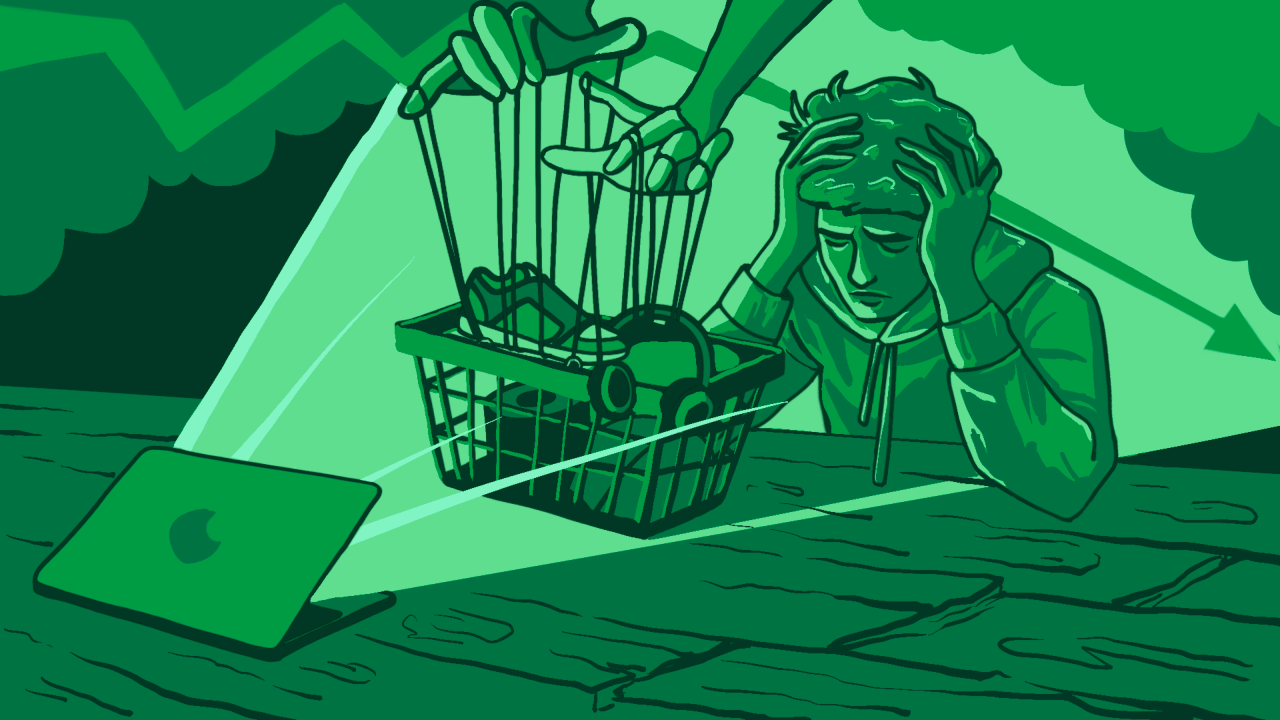
Is Klarna your Friend?
In this editorial, Financial Markets Editor Daneez Ahmed looks past Klarna’s pastel branding and “pay in 4” promise to the debt sitting underneath. Her piece traces how Klarna courts Gen Z and Millennials as a budgeting tool, even as it reassures merchants that its logo at checkout will nudge customers to spend more and walk away with fuller carts. Ahmed shows how that gap in messaging, combined with the way Klarna approves, reports on, and collects its loans, can leave users carrying risks that feel very different from the light, “smooth” experience they were sold.

Feel the Buzz: Gen Z, Alcohol Consumption, and the Rise of the ‘Mocktail’
Many journalists, behavioural scientists and other experts have tried to explain the dip in alcohol sales among Gen Z consumers. Some attribute it to younger demographics having more concern for their health, the cost-of-living crisis, or preferences for marijuana instead. In this article, Editor Amy Simcoe aims to get to the root of the issue, exploring factors like the job market, Gen Z’s drug use and messaging surrounding health and wellness. This article will also explore the companies capitalizing on the ‘mocktail’ trend, and where the adult beverage industry is headed.
Fashion’s Biggest Night: How the Met Gala Fuels the Fashion Industry
Far more than fashion’s biggest night, the Met Gala has become a powerful engine for brand visibility, consumer demand, and cultural influence. The article examines how luxury brands use celebrity partnerships and viral red-carpet moments to generate significant returns, while shaping trends across luxury, resale, and mass-market fashion. Ultimately, the Gala shows how commercial strategy can coexist with fashion’s artistic and philanthropic purpose.

The Loneliness Economy: The Art of Selling Connection in an Age of Isolation
Loneliness has become both a growing social problem and a major business opportunity, creating markets for everything from AI companions and friendship apps to social clubs and wellness spaces. Companies are increasingly treating community as a competitive advantage, recognizing that belonging can build loyalty in ways products alone cannot. Yet this “loneliness economy” raises an important tension: whether businesses are genuinely rebuilding human connection or simply monetizing its absence.